In twenty years the helmet has gone from exception to norm on French pistes: almost all children and the great majority of adults wear one. The back protector is following, especially among the young and in snowparks. Neither is compulsory. Both protect from specific accidents, and knowing which ones keeps you from asking them for what they do not do.
The helmet: what it protects
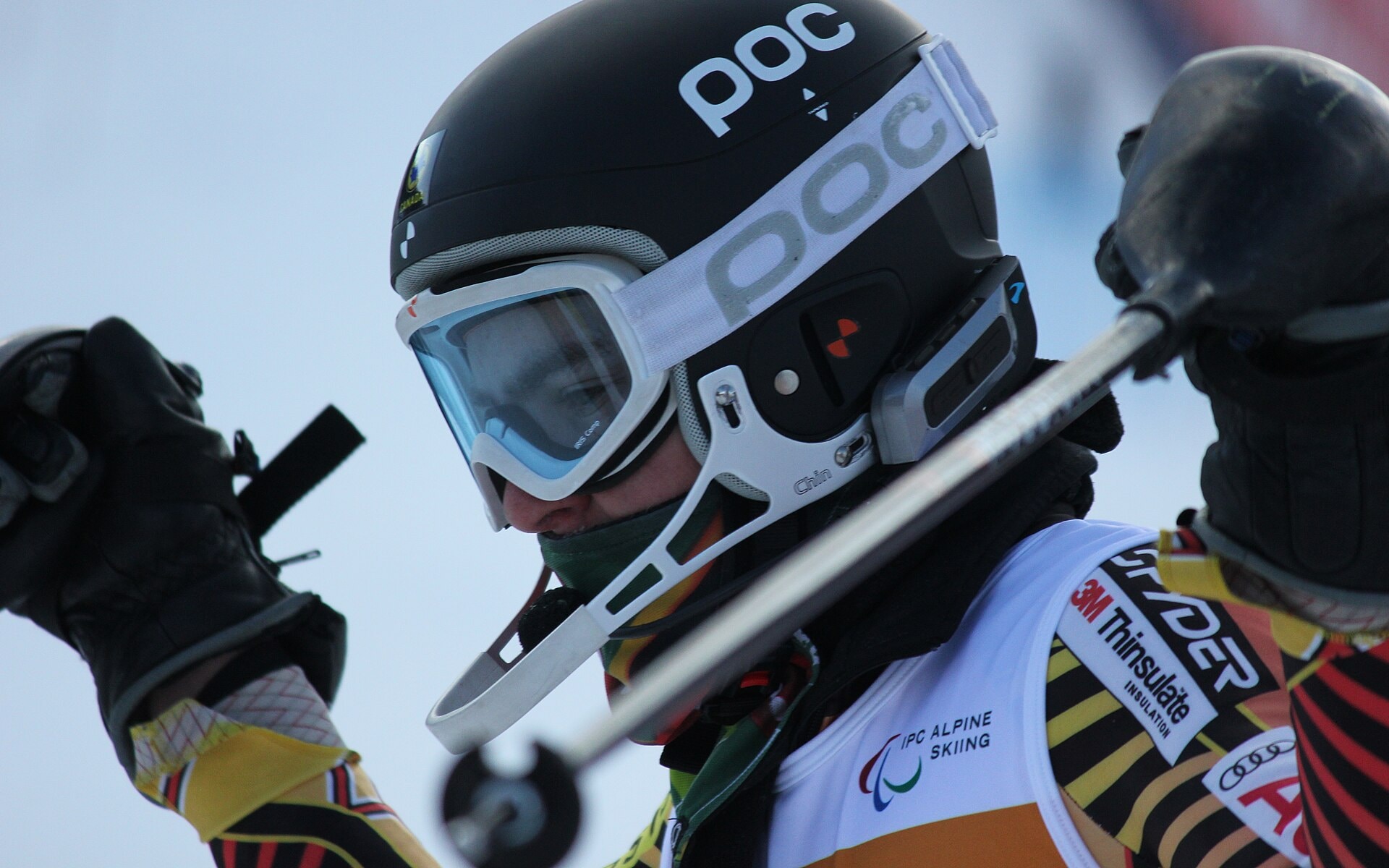
A ski helmet is designed for an impact against an obstacle — a tree, a pylon, another head, hard snow — at moderate speed. That is what the European standard EN 1077 tests: a drop onto an anvil, with a limit on the acceleration transmitted to the head. It does not protect from a fall at 60 km/h into a rock, and it does not reduce concussions as much as people think: it reduces skull fractures and wounds.
Two classes. Class A covers the ears and a bit more of the head; class B leaves the ears uncovered, hears better, insulates less. Most piste helmets are class B; racing helmets, class A.
MIPS and equivalent systems: an inner shell that slides a few millimetres in an oblique impact, to reduce the rotation transmitted to the brain. Independent studies are divided; the extra cost is modest; it is not a bad buy, it is not a guarantee.
Choosing a helmet
Size, in centimetres of head circumference, measured above the eyebrows. The helmet must neither move when you shake your head nor squeeze. The dial at the back adjusts the last centimetre; it does not replace the right size.
The goggles. Try them together: the helmet must not leave a strip of bare forehead above the goggles — that is where you get cold, and it is the sign the two do not go together.
Ventilation. Vents that close let you ski the full March sun and a January storm day with the same helmet.
Lifespan. Five to eight years without impact, as the absorbing foam ages; replace after any real impact, even without a mark. A second-hand helmet is a helmet whose history you do not know.
Price. Every helmet sold in Europe meets the same standard: a €60 helmet protects as much as a €250 one. The price buys weight, ventilation, comfort and looks — not safety.
The back protector: what it protects
A back protector is a plate or a set of scales, rigid or memory foam, covering the spine from the neck to the pelvis. It is designed for a direct blow to the back — a fall on a rail, a collision from behind, a rock. The EN 1621-2 standard, from motorcycling, defines two levels: level 1 transmits at most 18 kN through the protector, level 2 at most 9. For skiing, level 1 is common, level 2 reserved for the snowpark and speed.
What it does not do: protect from a twist or a compression of the spine, which are the most frequent back injuries in skiing. It protects from the rare serious accident, not the common one.
Form. The back protector alone, held by straps, is light and worn under the jacket; the full vest, more enclosing, is warmer and more restrictive; the backpack with built-in protector is the choice of off-piste skiers, who carry a pack anyway.
For whom, and for what
Children: the helmet always, required by ski schools; the back protector from the moment they use the snowpark or ski fast.
Adults on piste: the helmet, almost all; the back protector, to be judged by what you ski — useful on busy runs and in parks, of little use for quiet skiing.
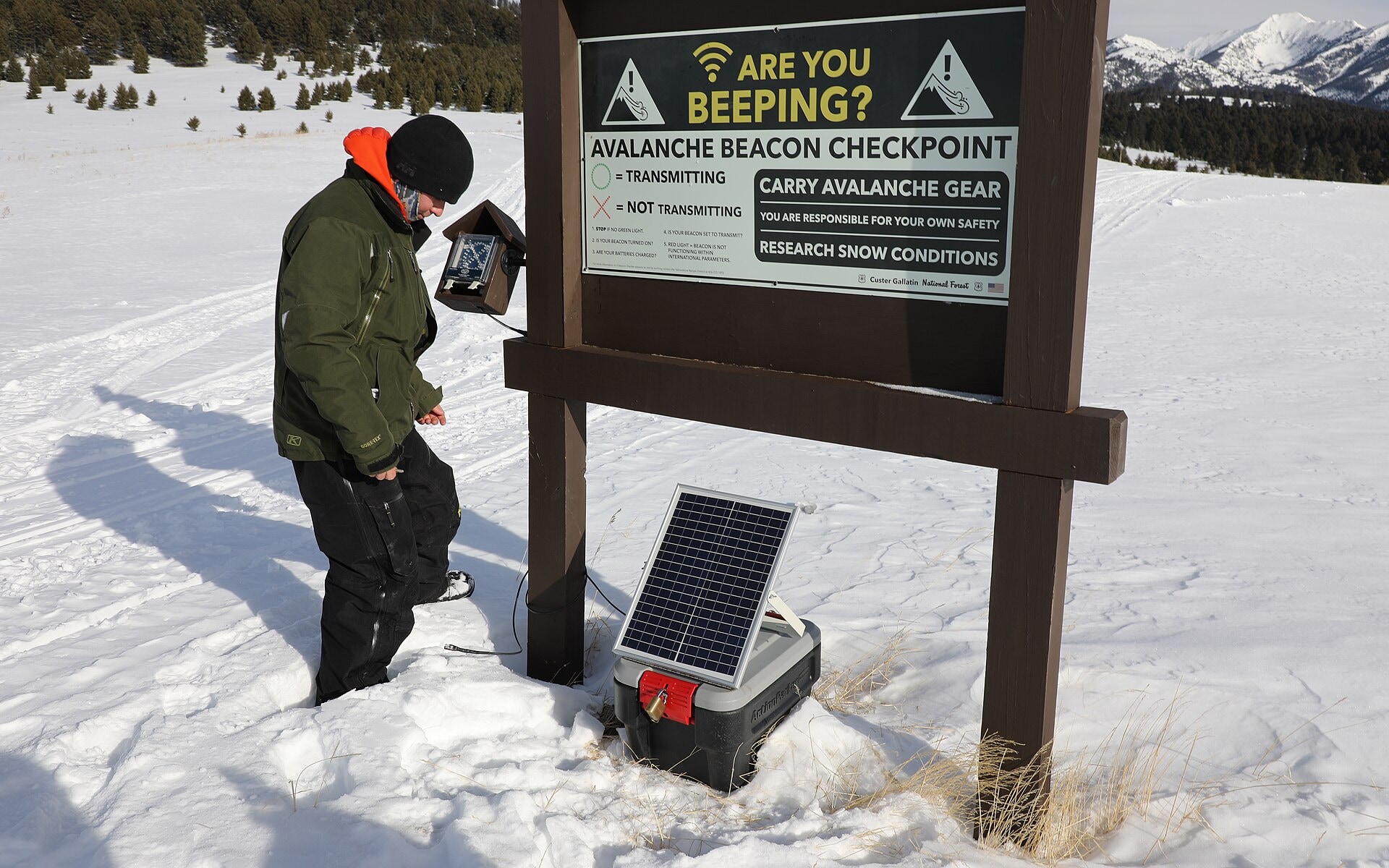
Off-piste and snowpark: both, and for off-piste the backpack with the protector, the transceiver, the shovel and the probe.
What protection changes in behaviour
Studies on ski helmets show a real effect on head injuries, and a more debated effect on risk-taking: some helmeted skiers ski faster. Protection does not replace margin — the speed suited to the run, distance from others, stopping at the side of the piste and never below a roll-over. Across the 335 resorts on our pages, no data measures safety; the patrollers make it, and the skier.