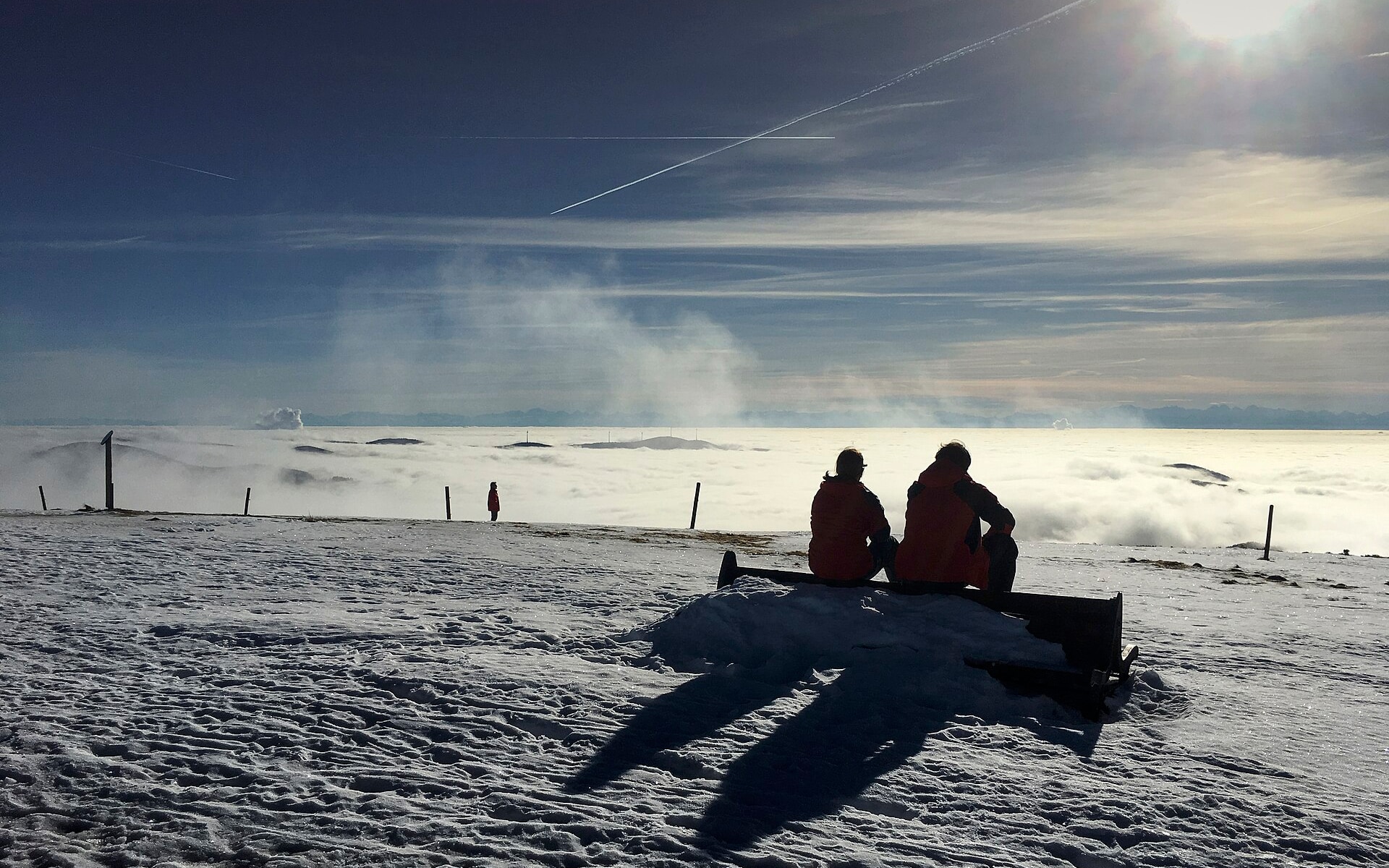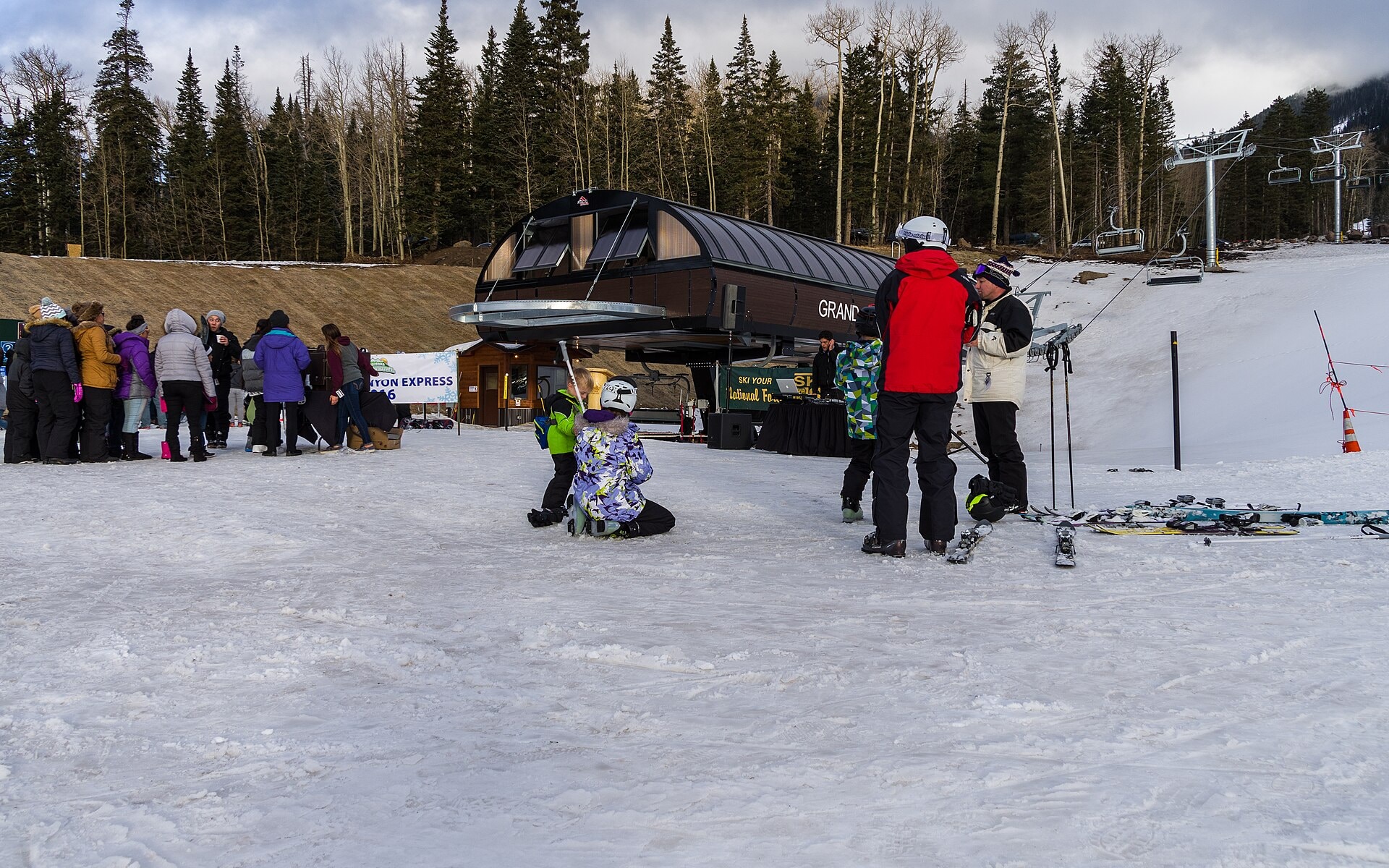
Cold in skiing does not come first from the temperature: it comes from moisture and wind. A skier who sweats walking up, then sits ten minutes on a chairlift at 2,500 m facing the wind, is cold whatever the thickness of their jacket. The three-layer system exists for that: each layer does one thing, and you take one off when it is warm.
The first layer: wicking
Against the skin, a technical base layer — top and bottom — in merino wool or synthetic, never cotton. Its only function is to move sweat away from the skin; cotton absorbs it and keeps it, and a wet T-shirt at −5 °C is a source of cold no jacket makes up for.
Merino does not smell after several days and regulates better; synthetic dries faster and costs less. Both wash in the evening and are dry by morning.
The second layer: insulating
A fleece or a thin down jacket, which traps air. It is the layer you take off in the midday sun and put back on for the 4 pm chairlift. A 200 g/m² fleece is enough in normal weather; a thin down or synthetic jacket in deep cold. Two thin layers beat one thick one: you adjust.
The third layer: blocking wind and water
The jacket and trousers are not there to keep you warm: they keep wind and snow out, and let vapour out. Two numbers on the label: waterproofness, in millimetres of water column — 10,000 is enough for snow, 20,000 for rain and a beginner’s repeated falls — and breathability, in grams per square metre per 24 hours — under 10,000, you get wet from the inside.
A non-insulated jacket (a “shell”) is worn over a down jacket and serves from November to April; an insulated jacket is warmer and less adaptable. For one week a year in a big high-altitude resort, the insulated jacket is simplicity; for anyone skiing from December to April, the shell and its layers.
The details that matter more than the brand: underarm vents, a snow skirt, adjustable cuffs, a helmet-compatible hood, a pass pocket on the left sleeve — the side of the gates.
The extremities: where the money goes
Cold gets in through the hands, feet and head, and that is where a limited budget should go.
Gloves. Mittens are warmer than gloves; leather gloves with a membrane are the best compromise. A thin silk or synthetic liner lets you handle the phone without baring your hands. A €30 pair of gloves is wet by mid-morning; an €80 pair lasts five seasons.
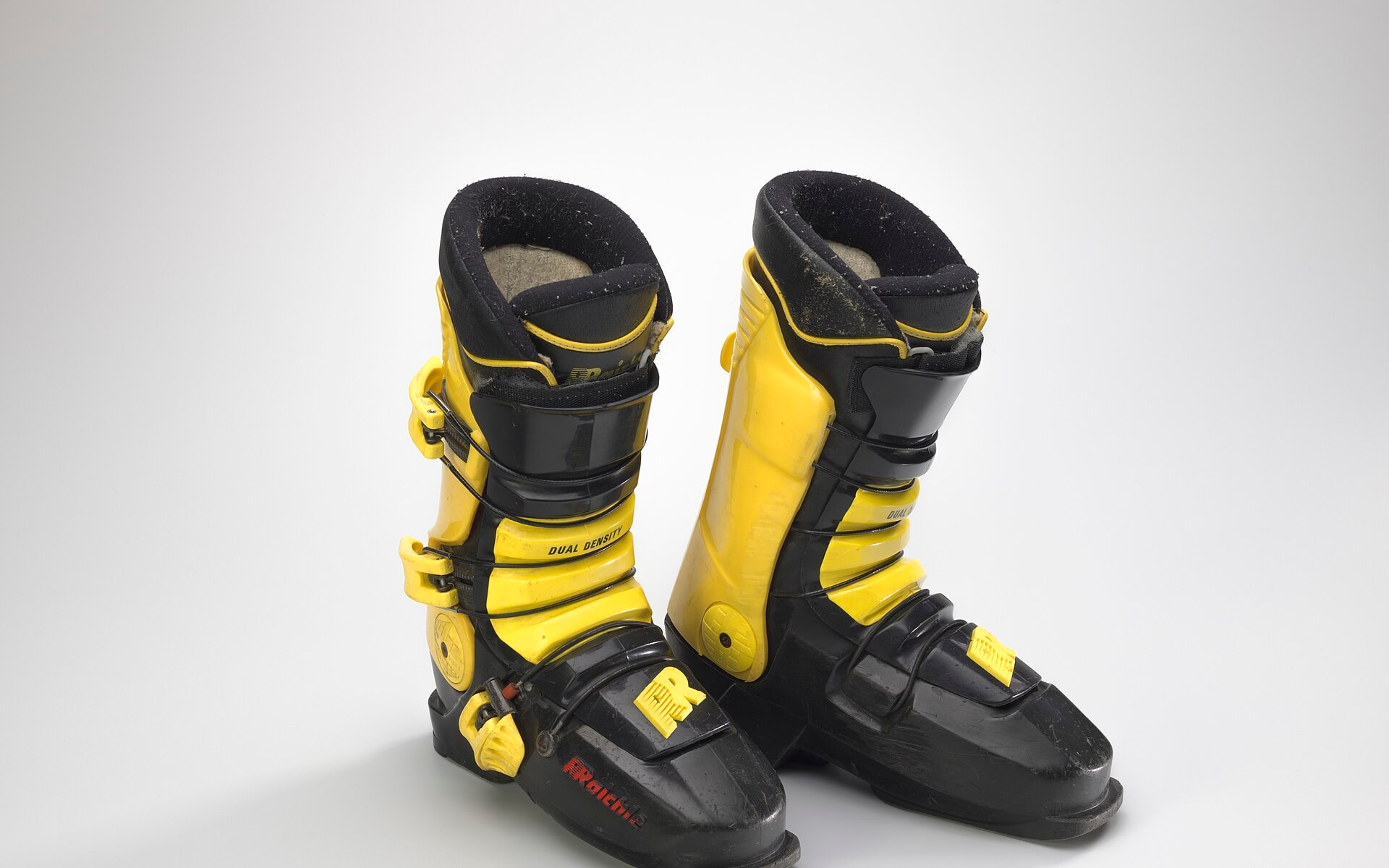
Socks. One pair, thin, tall, merino. Two pairs compress the foot in the boot and cut the circulation — cold feet almost always come from that.
Head. A helmet insulates better than a hat, and its liner comes out in fine weather. A fleece or wool neck warmer closes the collar; a thin balaclava in deep cold.
Eyes. Goggles protect from wind and cold as much as from sun; the subject of another article.
What the resort’s weather says
The resort pages give the seven-day forecast at the village and at the summit: temperature, wind, expected snow. With 1,000 m between them, it is commonly 8 to 10 °C colder at the top, and the wind doubles. A morning at +2 °C in the village can be an afternoon at −8 °C at the summit, with wind: that is what decides the second layer in the bag.
Rent or buy
Everything rents in a resort, except base layers and socks. For a first week, renting jacket and trousers costs €40 to €70 and avoids buying gear you will not like. After that, buy in order: socks, base layers, gloves, then jacket and trousers — at the end of the season, when sports shops sell the collection at half price.