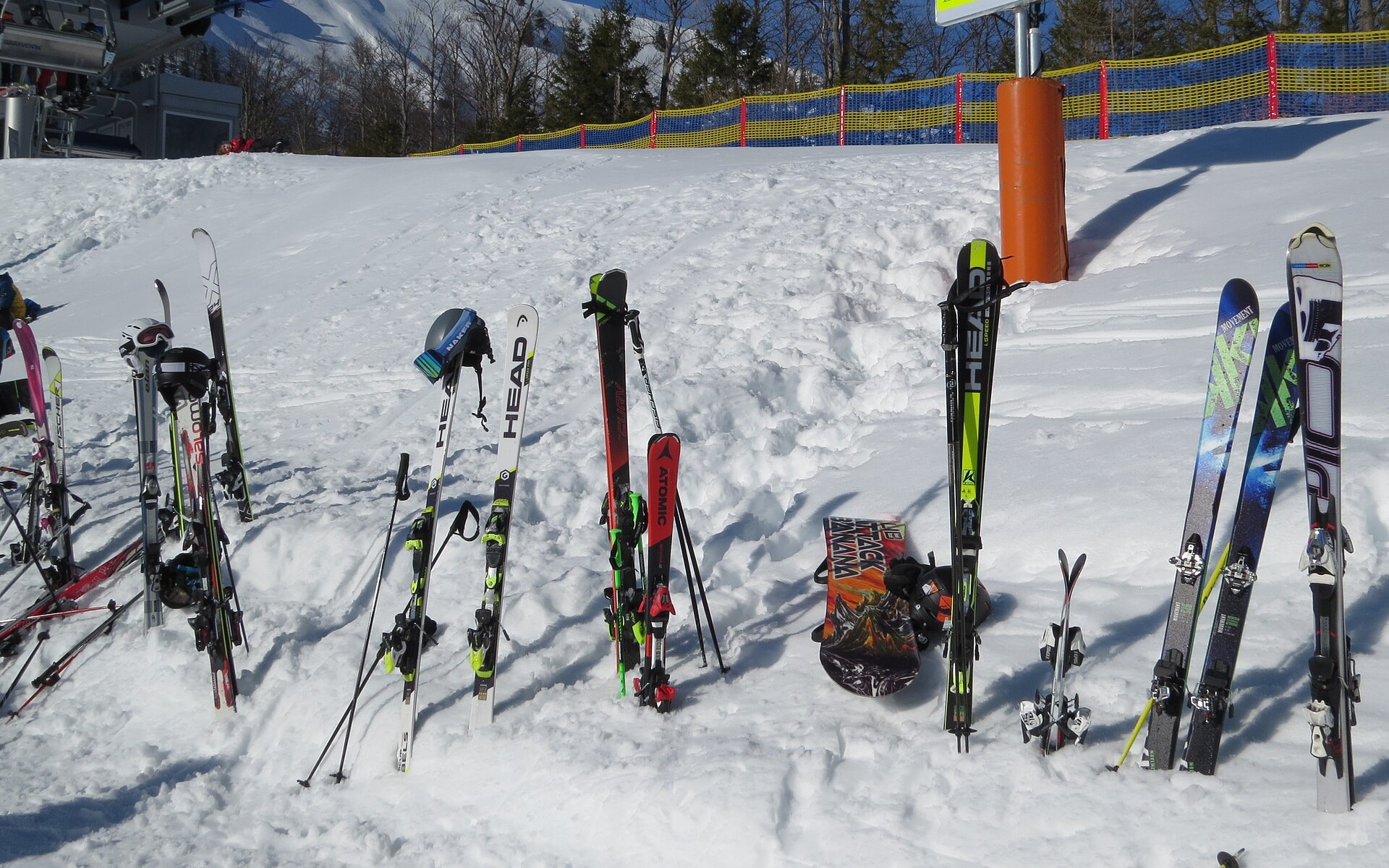
A shop’s ski wall offers fifty models that look alike. The three numbers printed on each — length, waist width, radius — are enough to sort them into four families, and to know which one matches what you actually ski. The rest is taste and price.
The three numbers
Length, in centimetres. It runs from the chin to above the head. Short = manoeuvrable, easy to turn, less stable when it gets fast. Long = stable, floats in soft snow, more demanding. The benchmark: the chin for a beginner, the eyes for an average skier on piste, the top of the head and beyond for a good skier or a wide ski.
Waist width, in millimetres, under the foot. It is the most telling number. A narrow ski goes edge to edge fast and bites hard snow; a wide ski floats in soft snow and drags on piste. Under 75 mm: piste ski. 75 to 85: piste and a bit more. 85 to 100: all-mountain, the ski that does everything at 80 %. 100 mm and above: soft snow, off-piste, powder — and a tiresome day on a hard groomed run.
Radius, in metres, given for a length. It is the radius of the circle the ski draws when set on edge. Short — 11 to 14 m — the ski turns tight, that is slalom and the playful piste ski. Long — 18 m and more — it turns wide and holds at speed, that is the giant-slalom and soft-snow ski. In between, the compromise.
The four families, and who they suit
The piste ski, narrow, short or medium radius: for those who ski groomed runs and want precision. It is the ski of most ski weeks in France, where people never leave the pistes. It is uncomfortable as soon as the snow gets soft or bumpy.
The all-mountain, 85-100 at the waist, medium radius: the ski that does everything properly — piste, spring snow, the sides of the runs, a snowfall. The right choice for anyone buying a single pair and skiing one week a year in a big resort.
The soft-snow ski, 100 and above, often with rocker (raised tip): for off-piste and powder. Rent it on the day it snows rather than buy it, unless you ski off-piste every week.
The touring ski, light, 80 to 95 at the waist, with bindings that free the heel: another sport, covered in its own article.
Camber and rocker: what the shape changes
A cambered ski — touching the snow at tip and tail, and lifting in the middle when laid flat — grips hard on firm piste. A ski with rocker — tip and sometimes tail raised — pivots more easily and floats in soft snow, at the cost of some grip. Most modern skis combine camber underfoot and rocker at the tip; the longer the rocker, the more the ski is made for soft snow.
Rent or buy
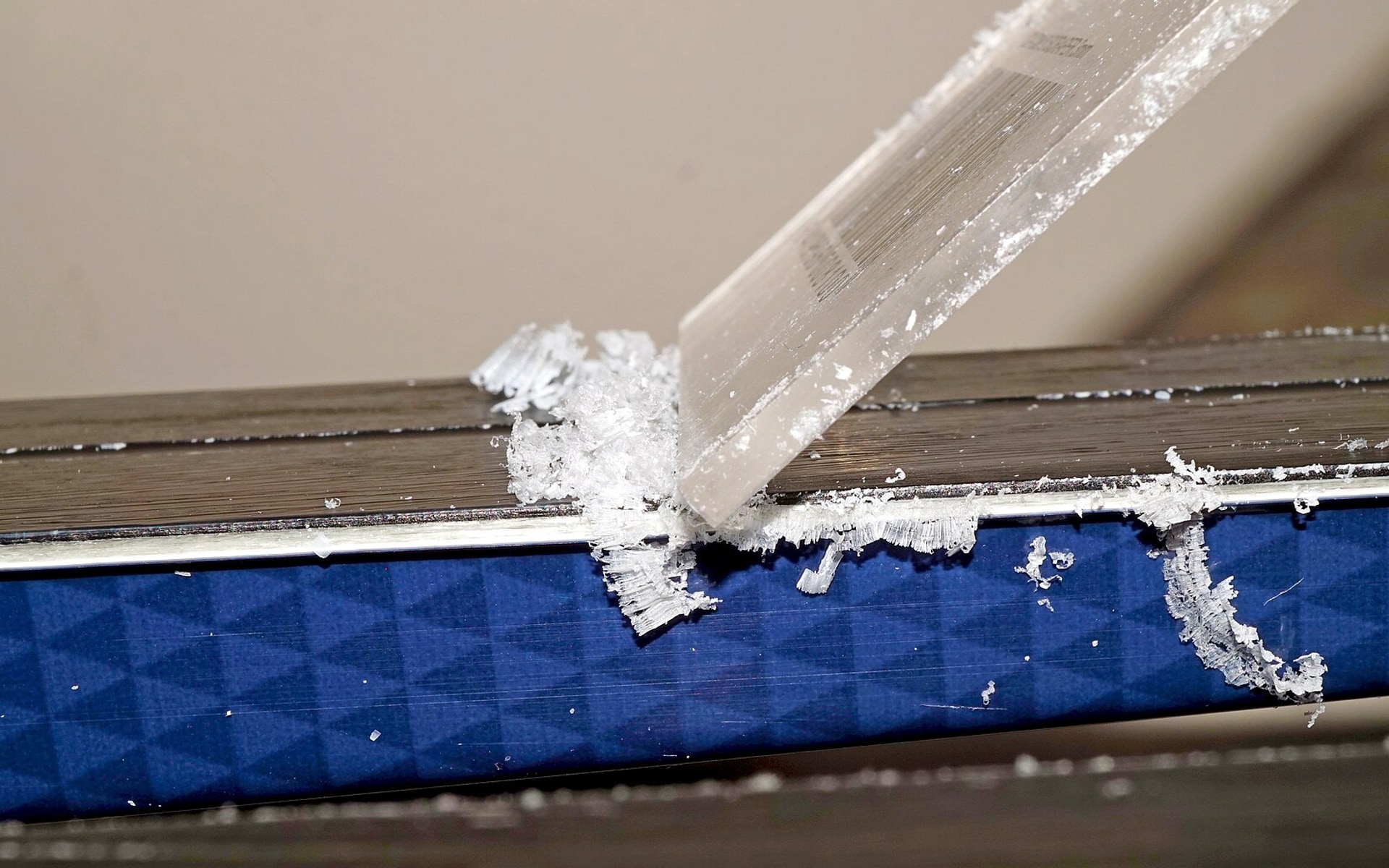
A ski wears: edges dull, the base scratches, the camber flattens in three to five seasons. For one week a year, renting — recent, maintained gear — is almost always the right sum, and lets you take the ski suited to the day’s snow. Buying makes sense from two or three weeks a year, or for a ski you cannot find to rent.
Where each family makes sense
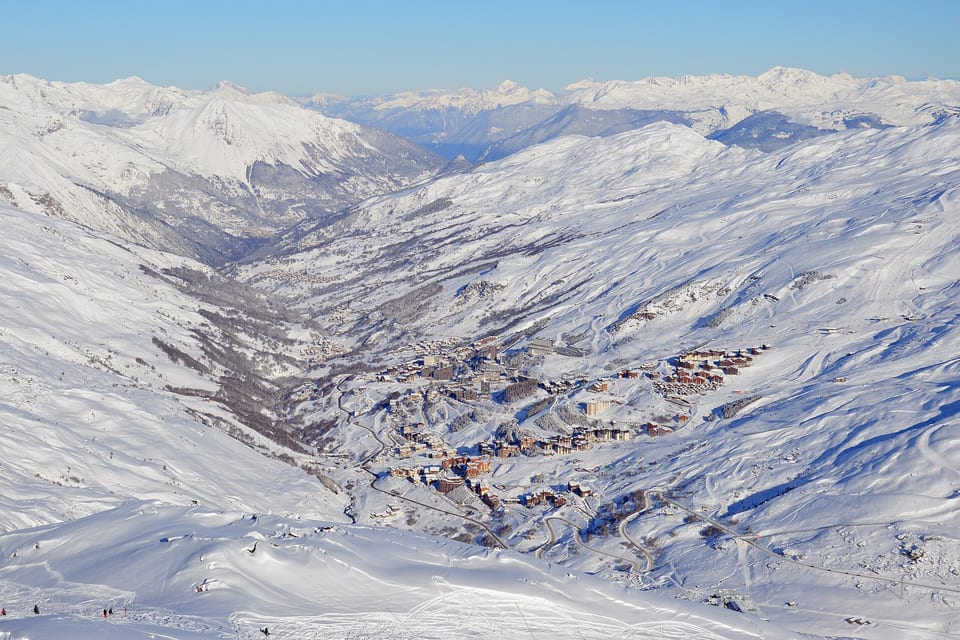
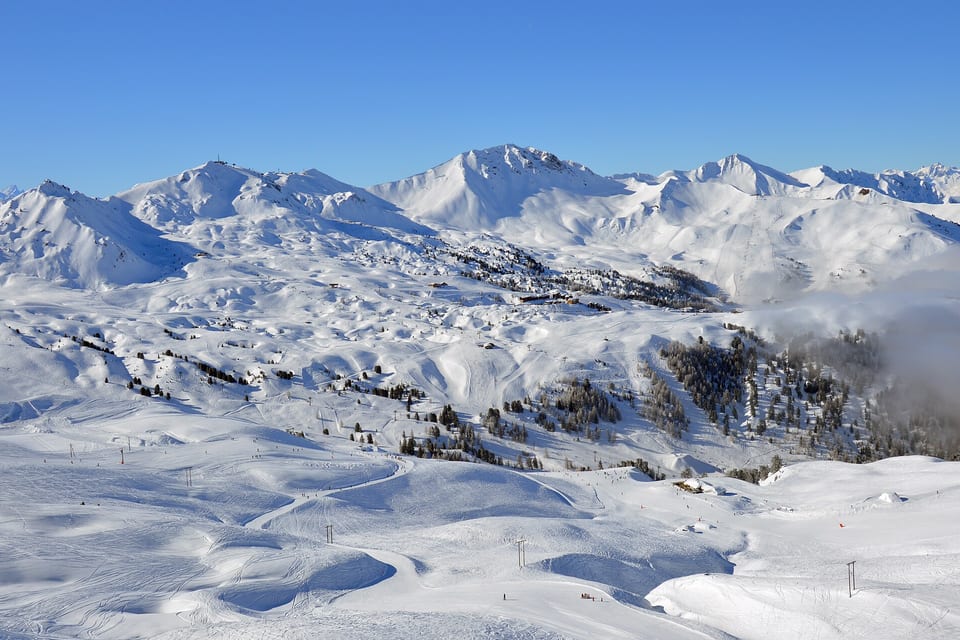
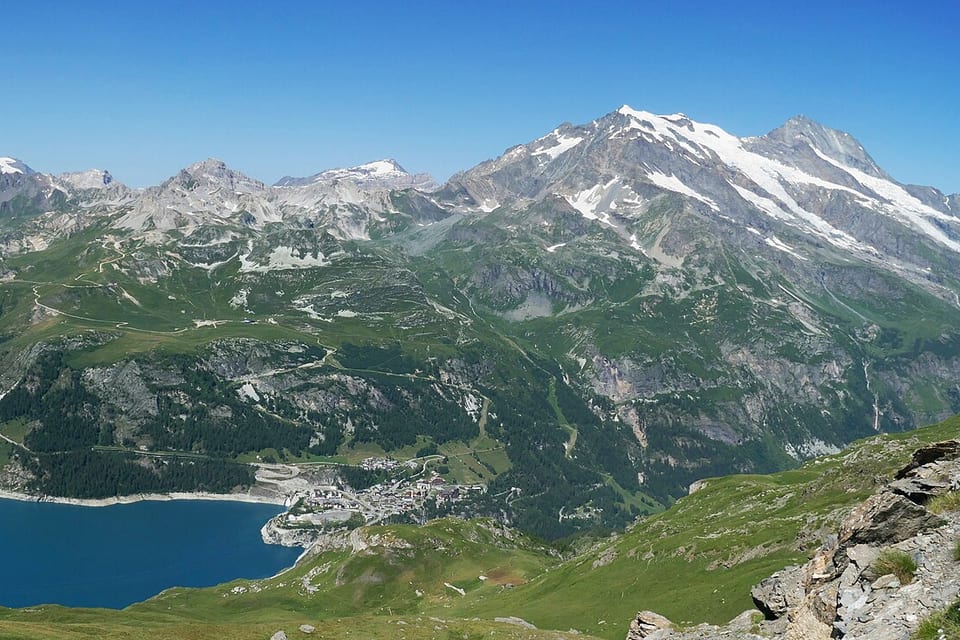
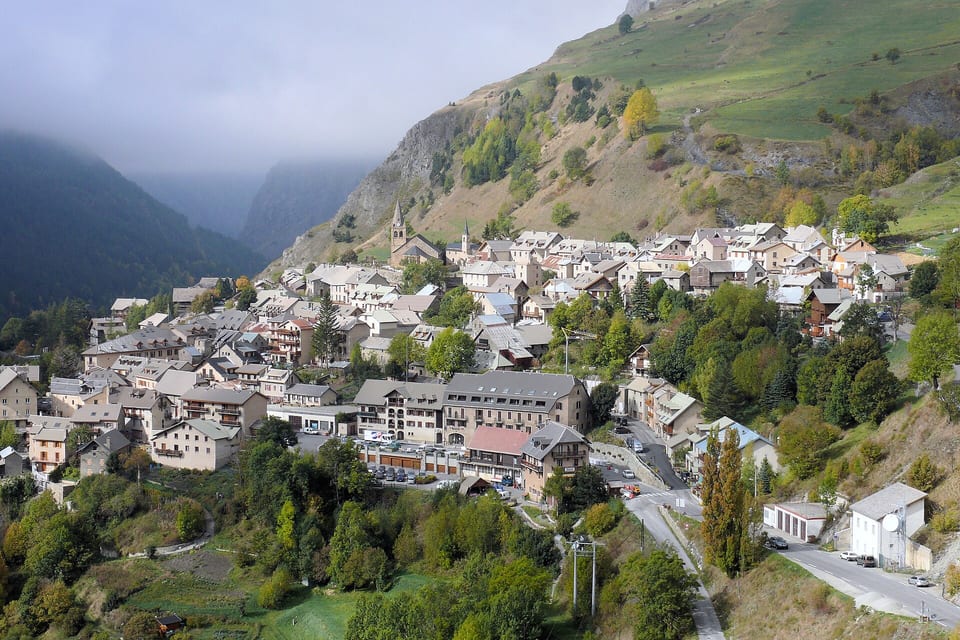
On the big high-altitude areas — Tignes, Val Thorens, La Plagne — the snow stays cold and groomed: the piste ski and the all-mountain are at home there. In the mid-mountains in spring, the soft afternoon snow calls for a slightly wider ski. At La Grave there is no groomed run, and a narrow ski has no business there. Each resort’s pages give the share of easy runs, the aspect and the measured snow — enough to know what snow you will find before choosing what to put under your feet.