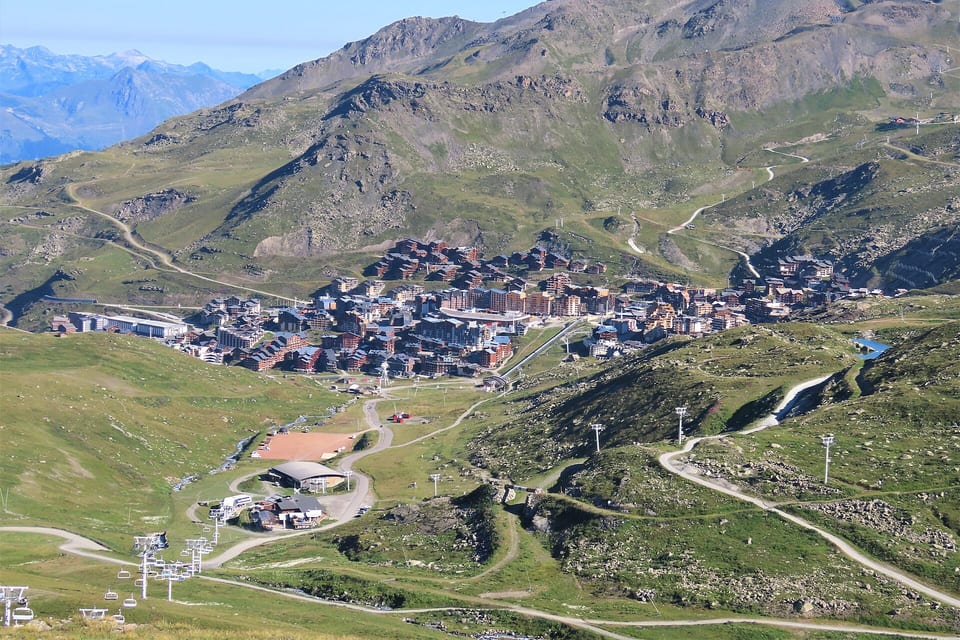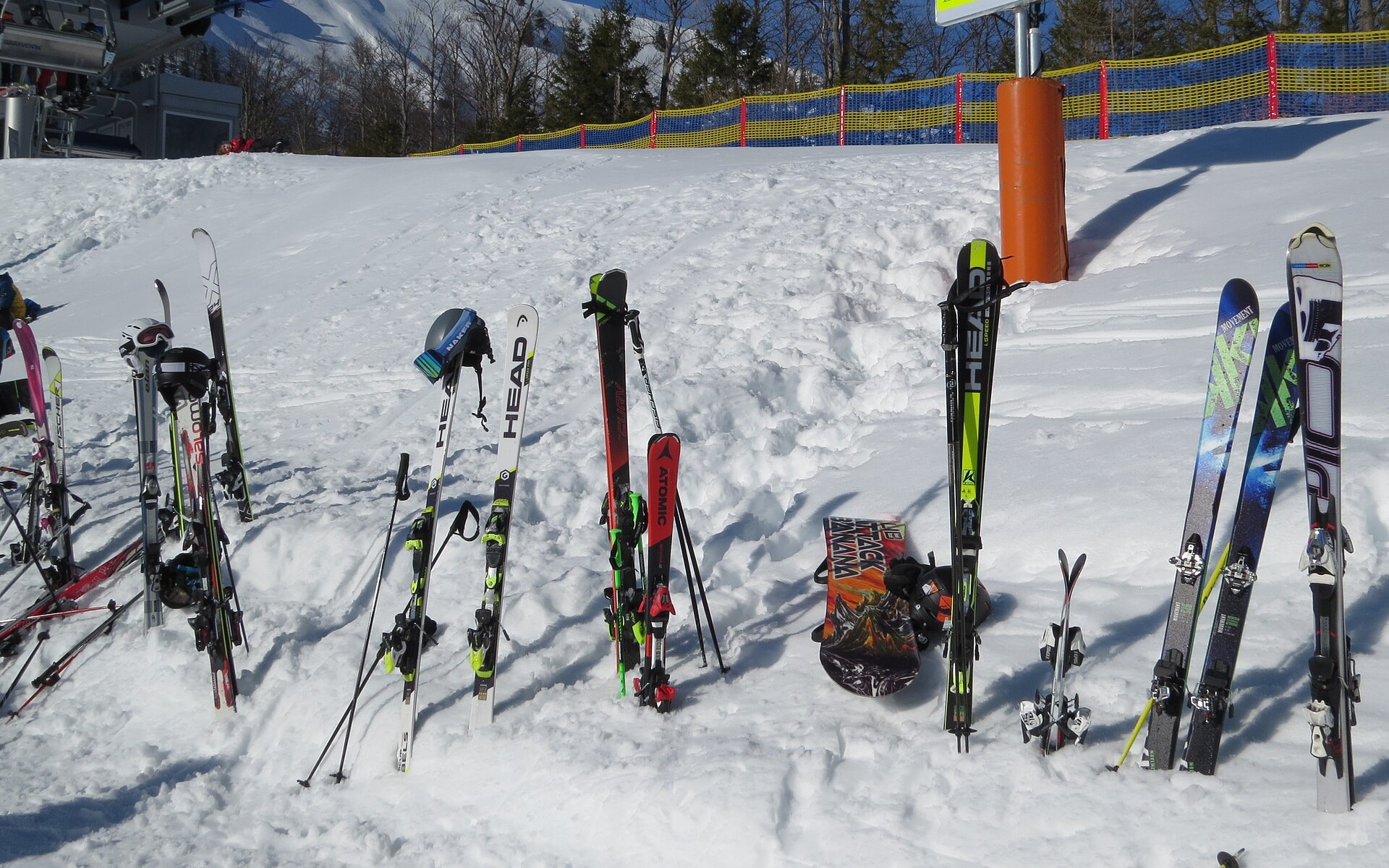
The piste map speaks a language of colours, pictograms and words that seem clear. They are less so than you think: a run’s colour is relative, the word “itinerary” changes meaning from one resort to another, and “marked” does not mean “secured”. Here is the glossary, with what each term really guarantees.
Pistes: four colours, relative
A piste is a groomed, marked, staked area, opened or closed every morning by the piste service, and secured against avalanches when it is open. It is the only place in the area where that guarantee exists.
Its colour says its difficulty — green for learning, blue easy, red difficult, black very difficult — but it is assigned by the resort, relative to its own area. The standard sets gradient benchmarks, but each resort grades its runs according to its clientele: a blue at Tignes is often steeper than a red in the mid-mountains. Our pages use the OpenStreetMap classification; it generally matches the resort’s, not always.
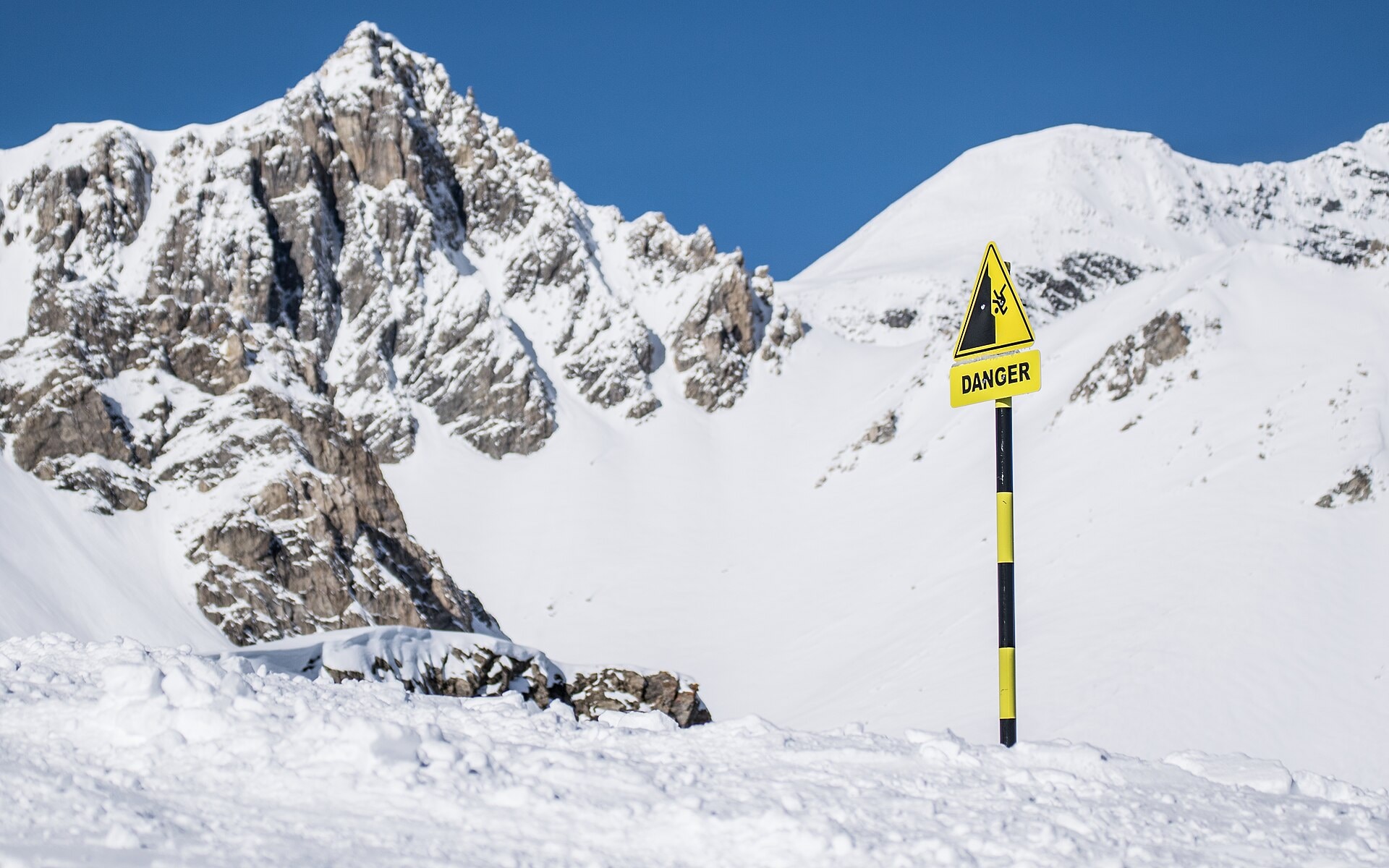
A closed piste is a piste you do not go on. It is no longer groomed or secured, and winch groomers stretch invisible cables across it. Ducking the rope is the most dangerous thing you can do in a resort.
Itineraries: marked, not groomed
An itinerary — sometimes “ski itinerary”, “ungroomed itinerary”, shown dotted or in yellow — is a course marked by poles but neither groomed nor regularly patrolled. It is opened or closed, and closed means the same as for a piste. Open, it is generally secured against avalanches — but check with the resort, as practice varies. The Tabuc at Serre Chevalier was long an itinerary before becoming a piste; La Grave has only itineraries.
Our pages distinguish pistes from the mapped marked off-piste itineraries, whose combined length they give. A marked off-piste route is an itinerary: staked, ungroomed, and to be skied only with safety gear.
Off-piste: nothing is guaranteed
Off-piste is everything else in the area — and in the mountains. Nobody opens it, nobody closes it, nobody secures it. The pass gives the right to go up, not to be rescued free: off piste, rescue is charged in most resorts, and the pass insurance does not always cover it.
It is the domain of the avalanche bulletin, the transceiver, shovel and probe, and someone who knows the terrain.
The glacier: open in summer, dangerous off piste
A glacier piste — at Tignes on the Grande Motte, at Les Deux Alpes, at Alpe d’Huez — is a piste like any other while it is open: groomed, secured, marked. It allows summer and late-season skiing. Off the pistes, a glacier is crevassed terrain you do not leave without a rope and a partner. Our pages flag areas where runs cross a glacier, with the reminder that summer opening is to be checked with the resort.
The words of the pass
Linked area: several resorts connected by lifts and covered by one pass — the 3 Vallées, Paradiski, the Grand Massif, the Portes du Soleil. Area pass versus resort pass: the second covers only the valley. Pedestrian pass: access to certain lifts without skiing. Beginner pass: limited to the learning sector, often half price. Season pass: pays off from twelve to fifteen days.
The words of the snow
Artificial snow: made by snow guns from water and compressed air — real snow, denser, which lies better but skis harder. Our pages give the share of equipped runs when the resort publishes it. Grooming: the groomers’ overnight pass, which smooths and packs the piste. Refreeze: the clear night that hardens the snow; the refrozen groomed piste of the morning is the fastest of the day. Transformed snow: spring snow that has melted and refrozen several times — perfect between 10 am and noon, slush afterwards. Powder: fresh untracked snow, the off-piste snow the day after a fall — and the avalanche bulletin that goes with it.