“How much does it snow” is the first question asked about a resort, and the worst answered. Resort websites and aggregators show declared totals, added up who knows how, sometimes per year, sometimes per season, often without saying at what altitude. You read records on one side and averages on the other, and nothing is comparable.
We took another route. Météo-France publishes, as open data, the daily readings of its stations — including two columns that interest us: the snow depth on the ground measured at 6 am, and the fresh snow fallen in 24 h. We match each resort to the station that describes it best, provided it is within 25 km, inside the area’s altitude range, and lines up at least ten complete winters. Then we compute.
The stations where the most falls
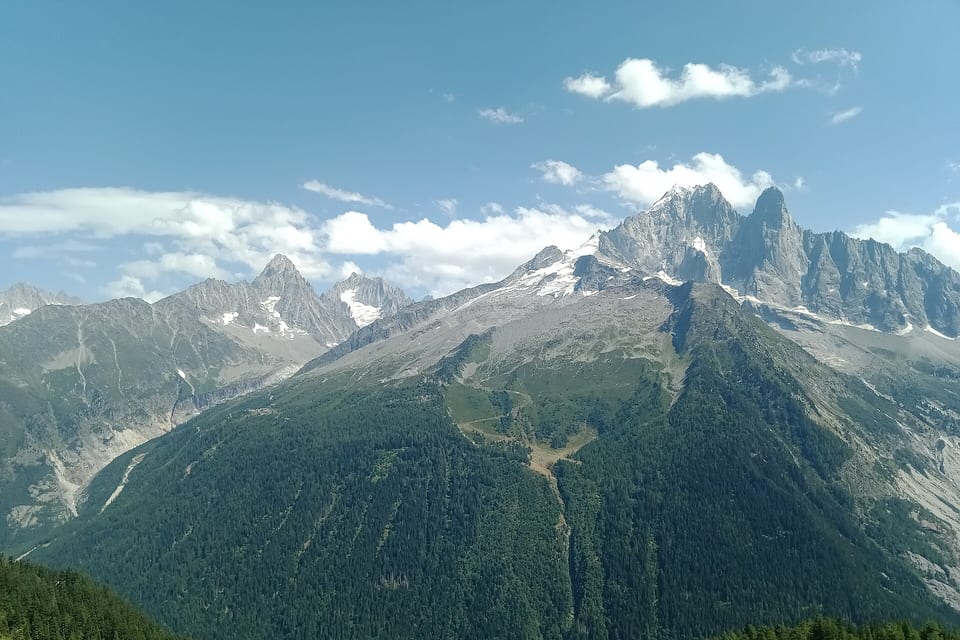
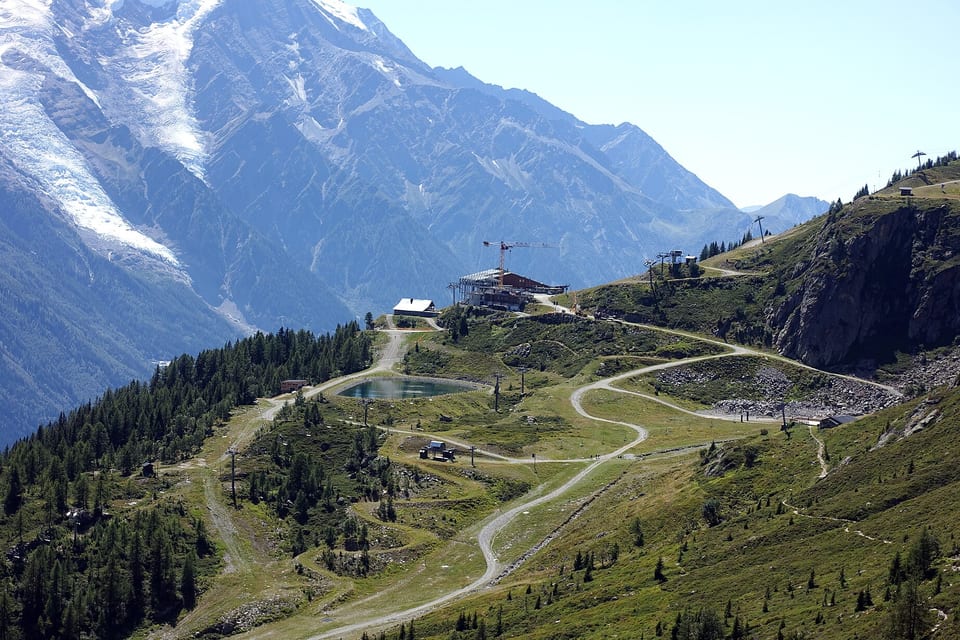
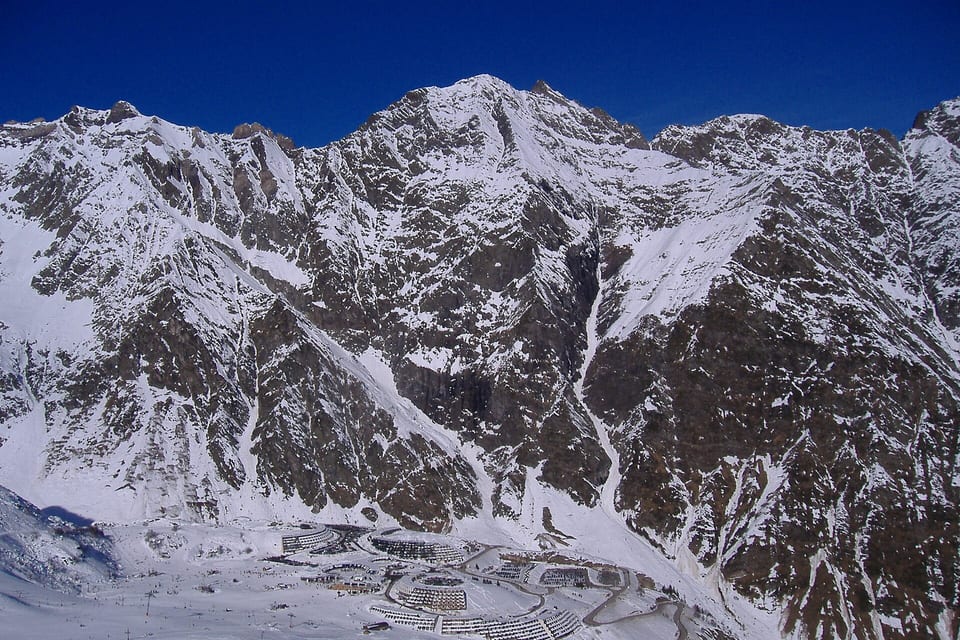
Lognan, at 1,970 m above Argentière in the Chamonix valley, is the snowiest station in our records: 660 cm a winter on average, over 54 days of snowfall, across twenty complete winters. It is the station for Les Grands Montets and La Flégère. The biggest snowfall in its series: 99 cm in 24 hours, during winter 2011-2012.
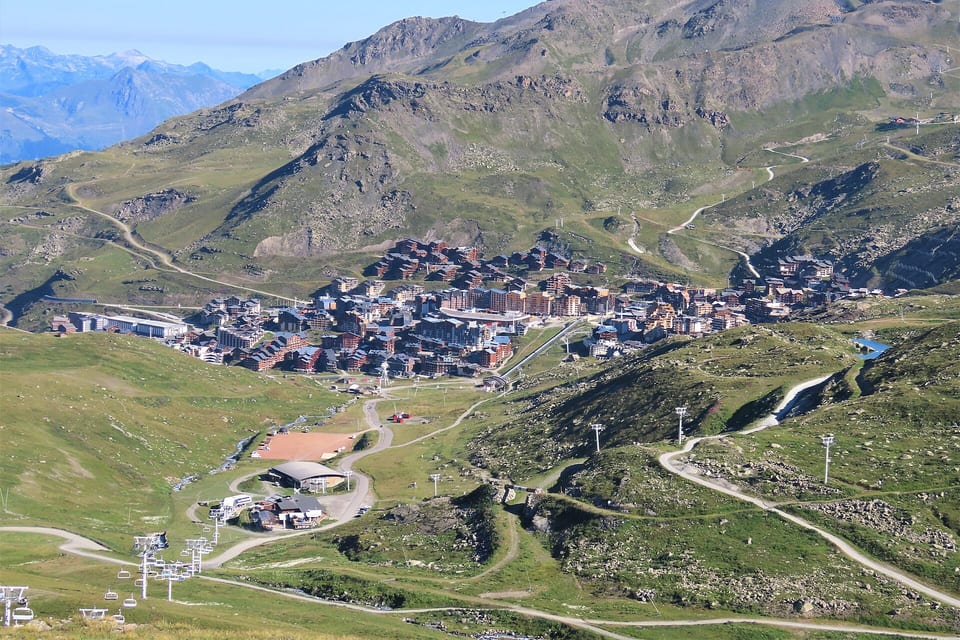
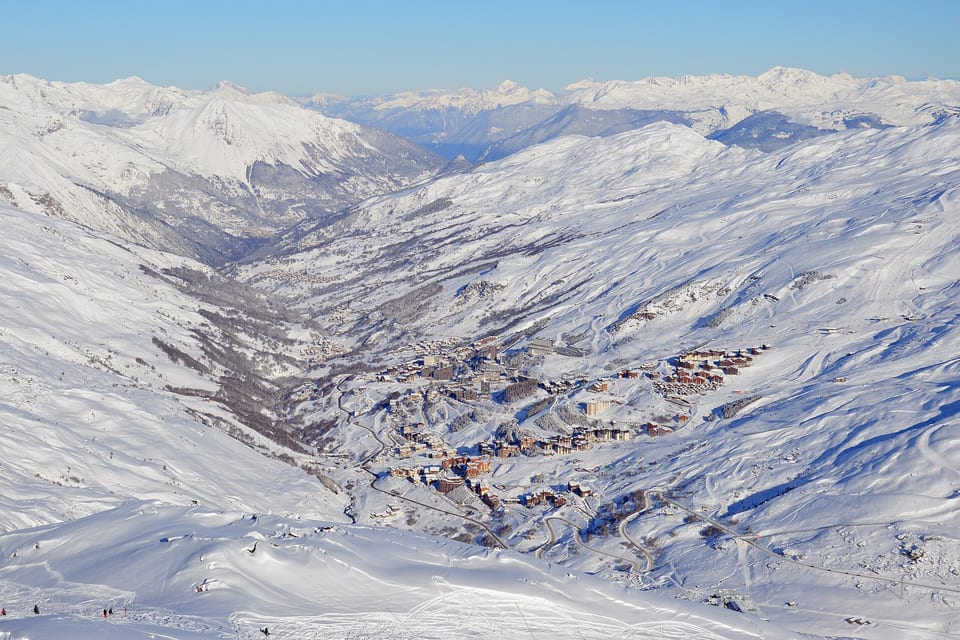
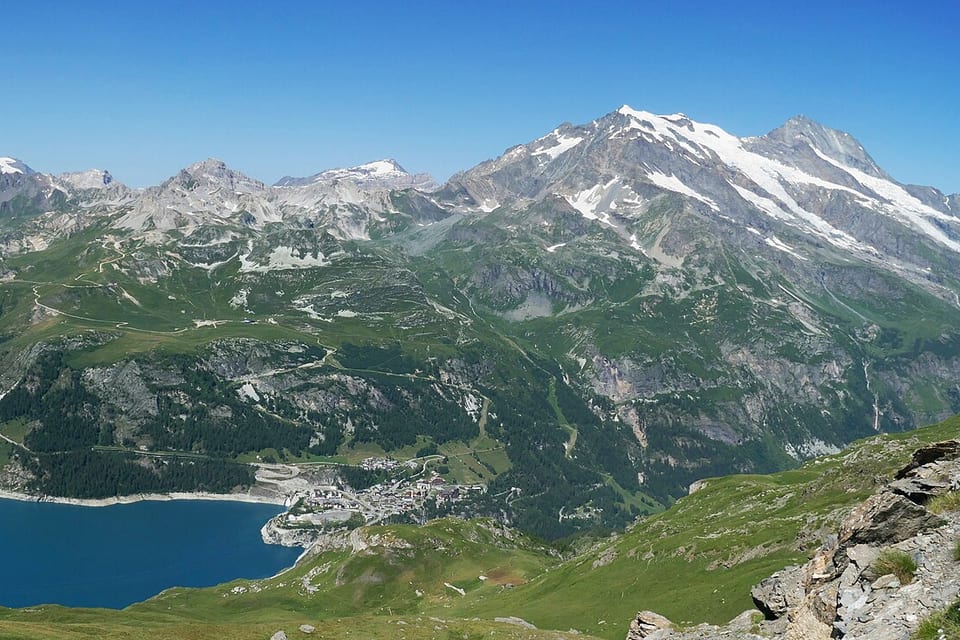
Val Thorens, station at 2,283 m: 559 cm a winter over 59 days, across twelve winters. The station serves Les Menuires and Méribel-Village, in the same valley. Record: 70 cm in a day, winter 2007-2008.
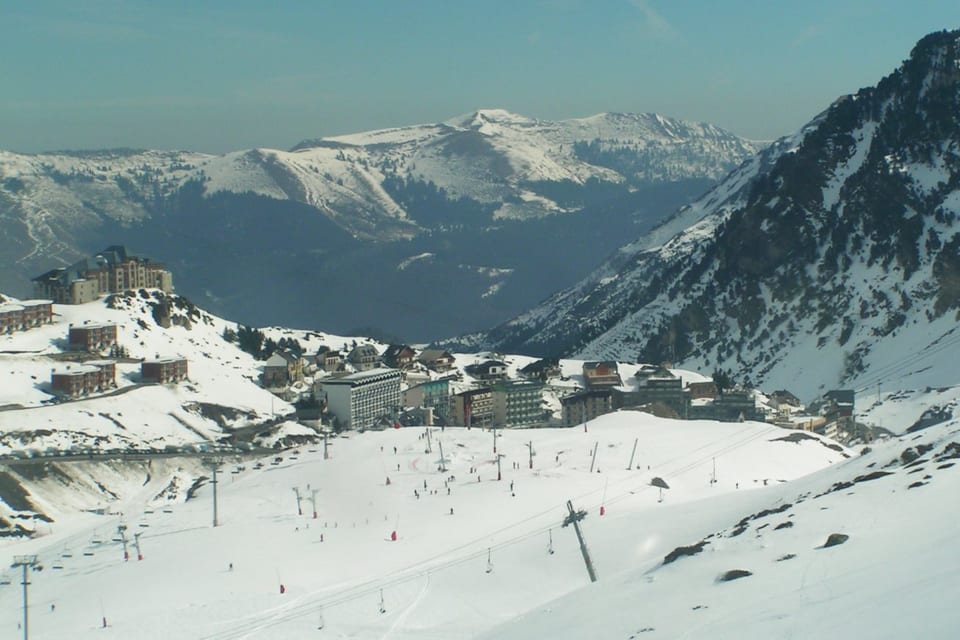
Piau, at 1,860 m in the Pyrenees: 536 cm over 58 days, across thirteen winters. This station describes the whole upper Aure valley and the Tourmalet — Piau-Engaly, La Mongie, Barèges, Luz-Ardiden, Peyragudes, Gavarnie. Record: 99 cm in a day, winter 2012-2013. The central Pyrenees receive as much snow as the Alps; they keep it less long.
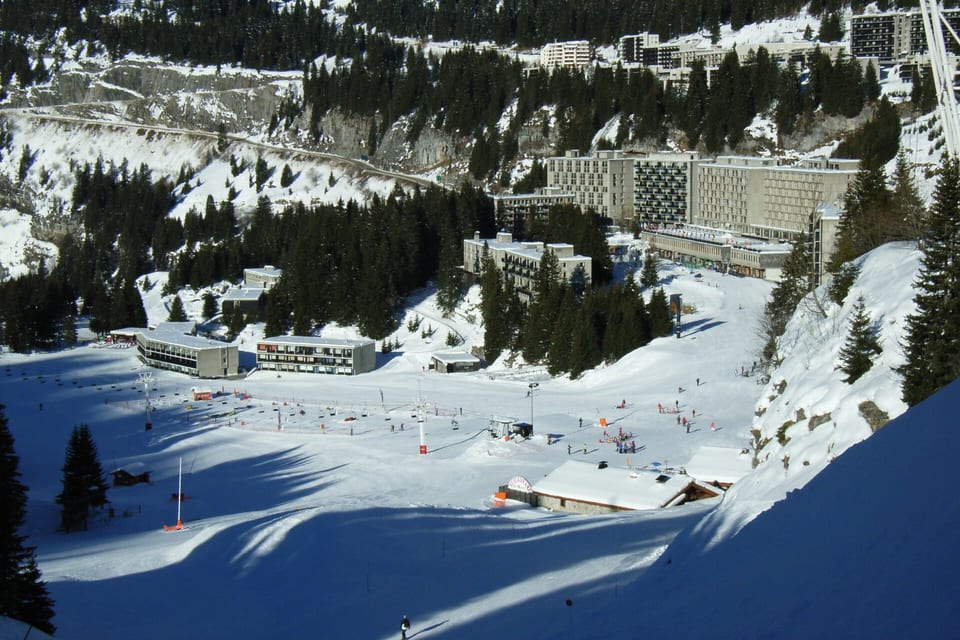
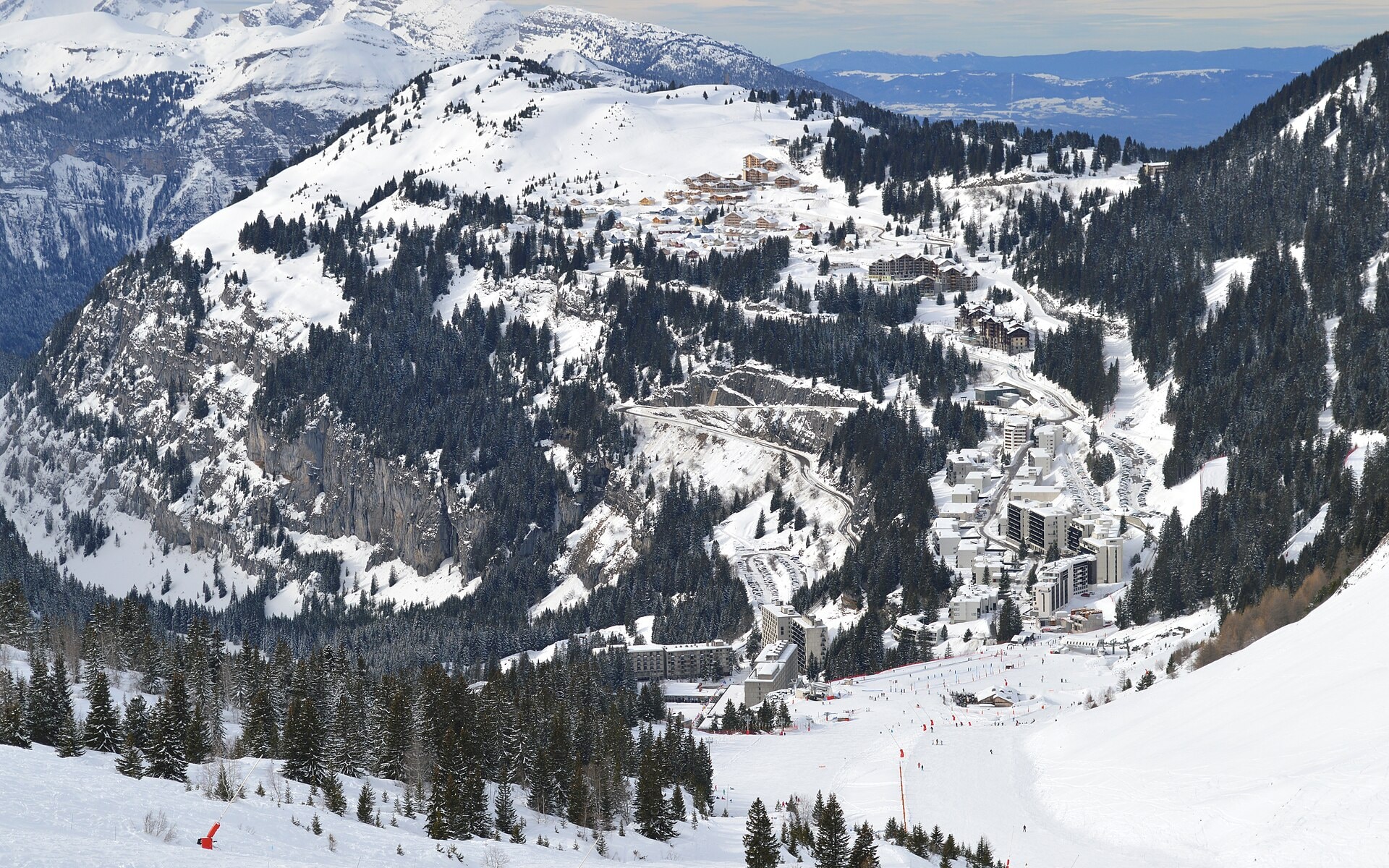
Flaine, at 1,620 m: 532 cm over 51 days across ten winters, with a modest record of 55 cm — Flaine gets its snow regularly rather than in storms.
What these figures do not say: what stays
Six metres of fallen snow does not make six metres on the ground. Snow settles, melts in thaws, blows off the ridges. Our pages therefore also give the measure of what stays: the number of days a winter the station measured at least 30 cm on the ground, the benchmark for groomed-piste skiing.
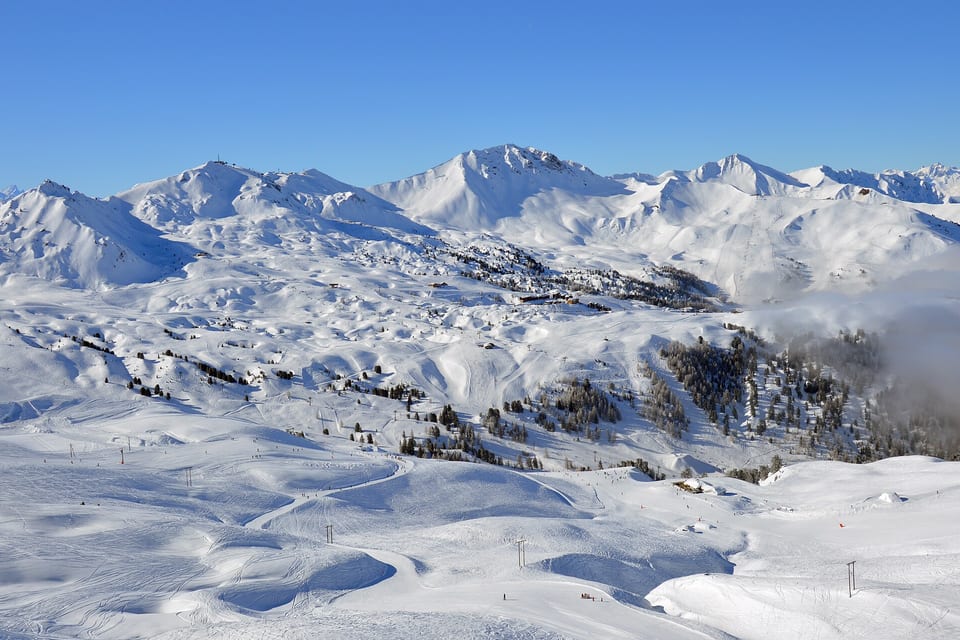
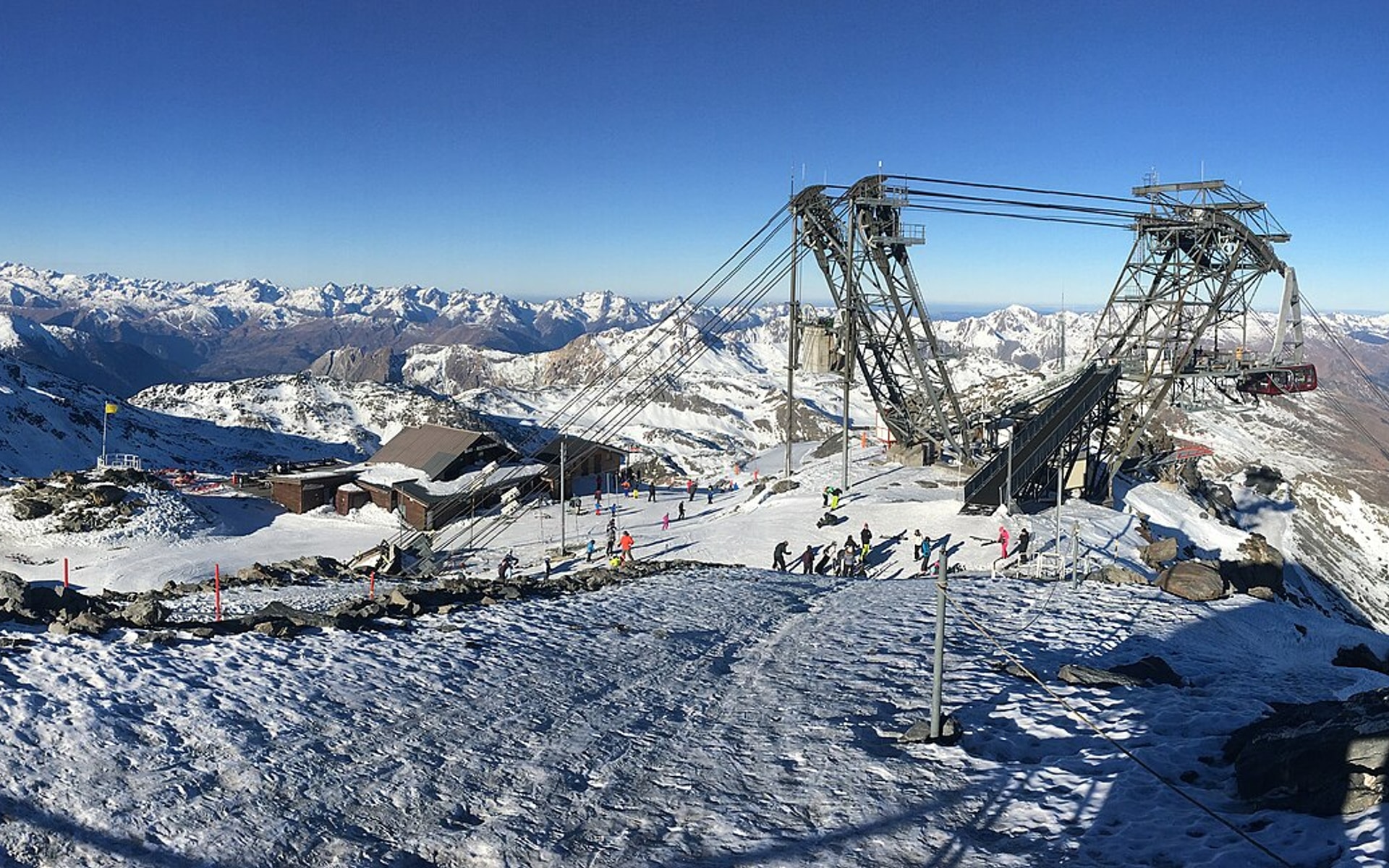
There, the ranking changes. The highest stations dominate: Belle Plagne and Les Contamines, matched to the Grande Parei automatic station at 2,260 m, count 134 days a winter at 30 cm or more; Lognan too; the Domaine du Tourmalet, below the Lac d’Ardiden automatic station at 2,445 m, 133; Val Thorens 132; Tignes and Bonneval-sur-Arc, 131. At those altitudes the snow lies from 1 December to 15 April almost without interruption.
Why only 187 resorts
Of our 335 pages, 282 are matched to a station that measures snow on the ground, and 187 to one that also measures fresh snow. The difference is the automatic high-altitude stations, which measure depth by ultrasound but not fresh snow, which needs an observer. Where the station keeps no snowfall series, the page says so, rather than leaving a blank you would take for an omission.
And 53 resorts have no station meeting our rule. They have no figure, and the page explains why — a station borrowed from the next range would be a wrong figure.
How to read a resort page
On each “snow report” page, the block “Snow actually measured” gives, fortnight by fortnight, the average depth on the ground and the share of days at 30 cm or more; then the best and worst winter of the series; then, below, the snowfall: average total, days of snowfall, biggest 24-hour fall and its winter, snowiest and leanest winter. The station’s name, altitude and distance are written — and altitude matters: a station at 1,200 m does not describe the top of an area at 2,500.
Out of season, it is the only figure-based answer you can give to “is there snow”. In season, the daily report takes over.