Every resort shows the number of its lifts. Almost none says their age, their capacity or their manufacturer. Yet those data exist, public, in the register kept by the STRMTG — the State service that authorises and inspects every lift. We matched it to our resort pages, resort by resort, and this article draws three rankings from it.
The highest: how far the cables go
The top-station altitude of every lift is in the register. At the top of the ranking, two categories not to be confused.
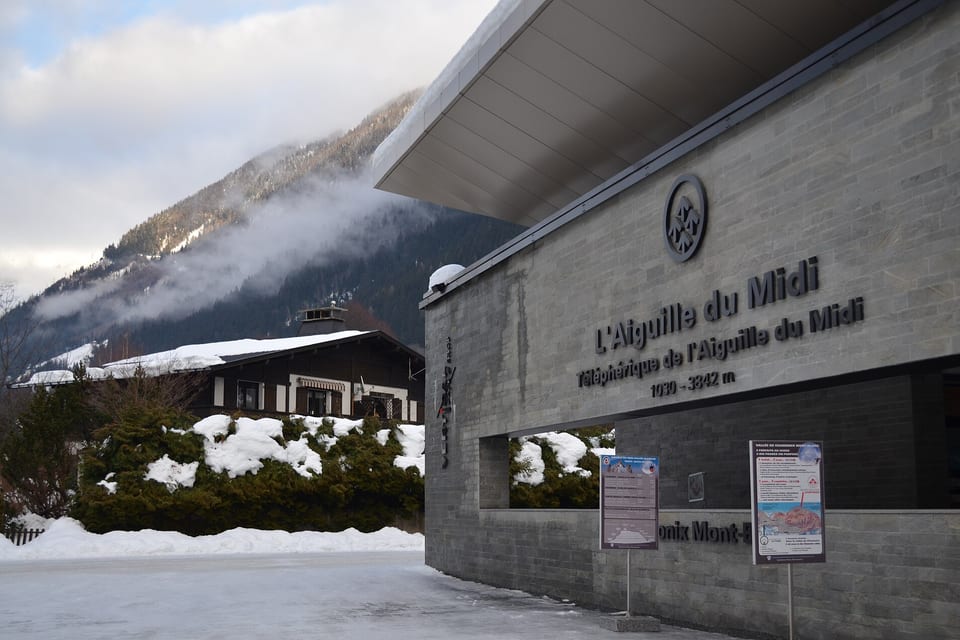
The glacier and viewpoint lifts, open mainly in summer: the Panoramic Mont-Blanc gondola at Chamonix, between the Aiguille du Midi and Helbronner, registered at 3,787 m; the Dôme de la Lauze drag lift at Les Deux Alpes, 3,642 m, and the Dôme at La Grave, 3,532 m.
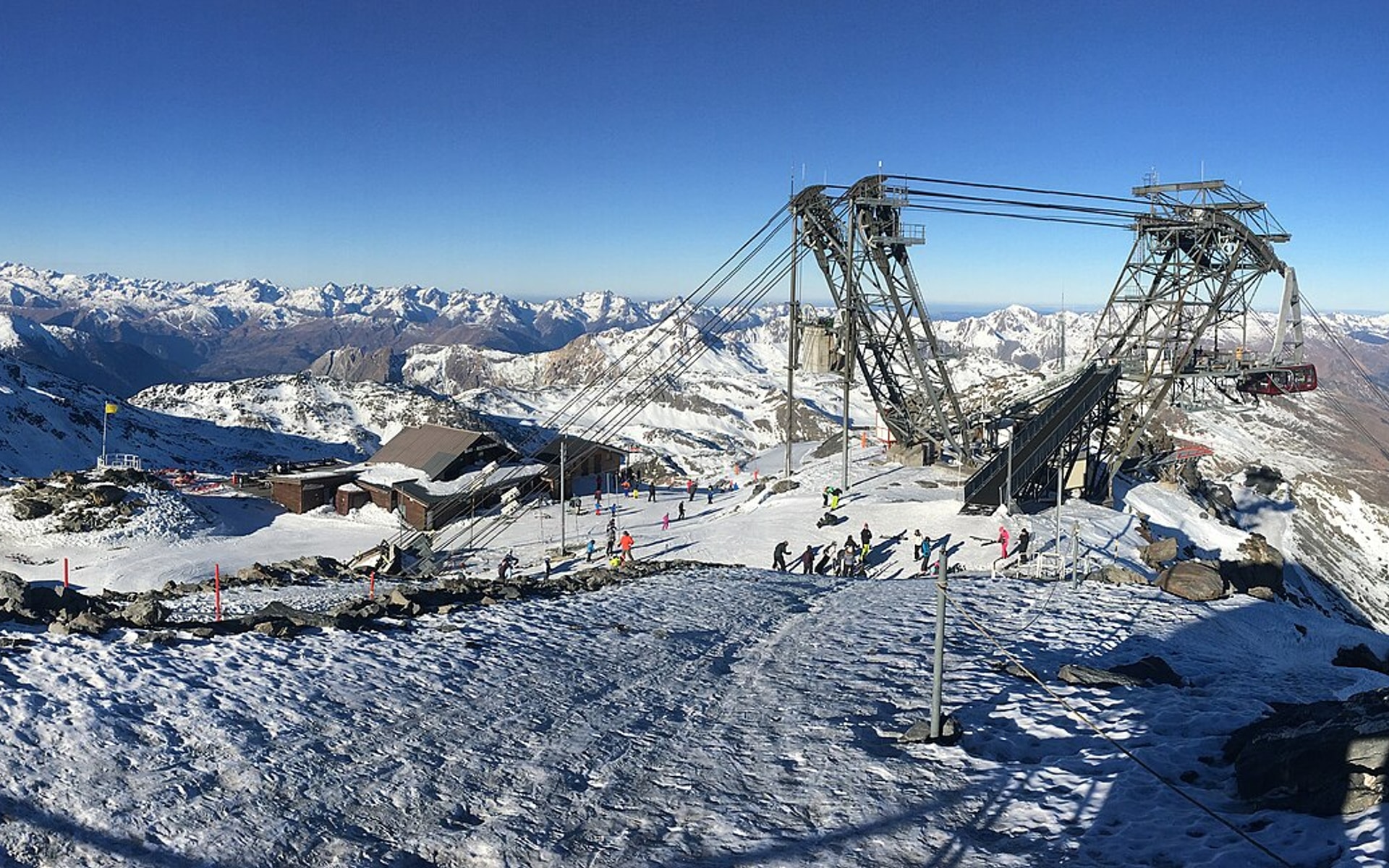
The winter skiing lifts: the Grande Motte cable car at Tignes, 3,451 m, is the highest skiable point in France in season; the Pic Blanc at Alpe d’Huez, 3,318 m; the Bouchet chairlift at Orelle, 3,242 m, on the 3 Vallées; the Cime Caron at Val Thorens, 3,186 m; the Glacier chairlift at La Plagne, 3,167 m.
The oldest: a century of machinery
The register gives the year of first commissioning. Three resorts still operate a pre-war lift.
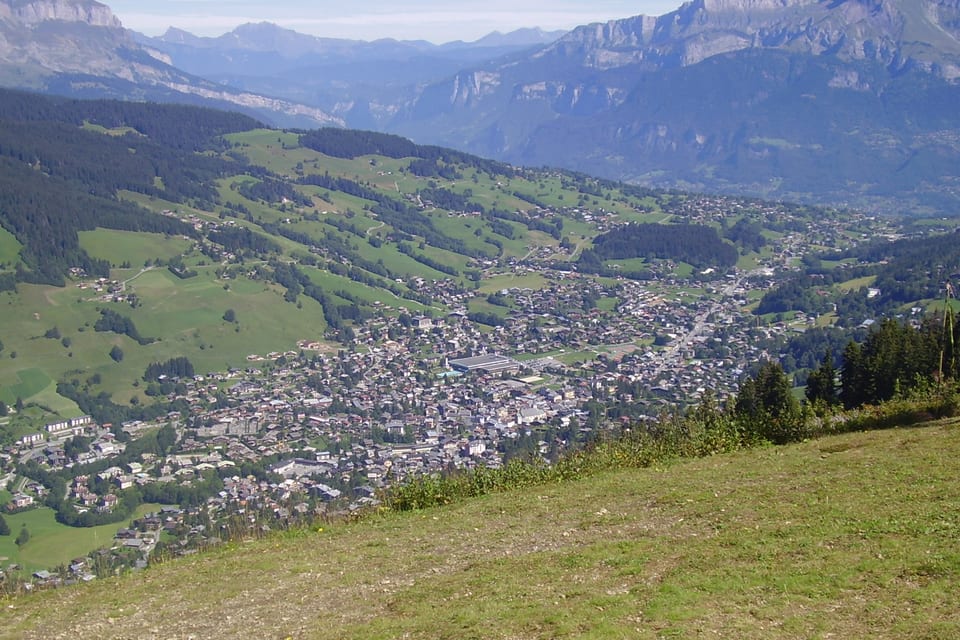
Megève, whose fleet includes a lift commissioned in 1933 — the resort was one of the first in France, created by the Rothschilds in the 1920s, and its Rochebrune cable car, opened in 1933, was the first cable car in France built for skiing. Thirty-nine lifts, 37 years’ average age.
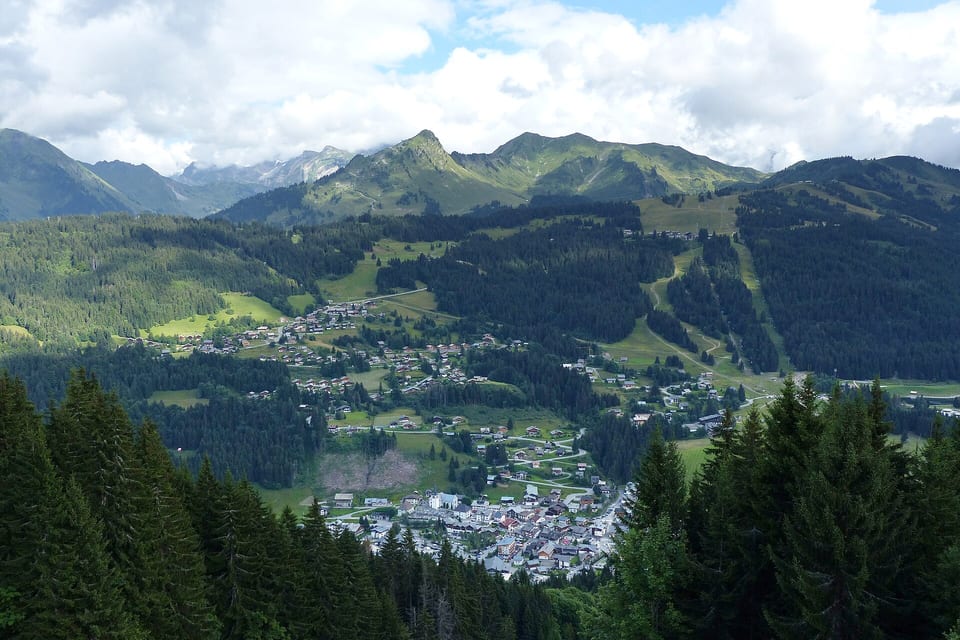
Les Houches, with a lift from 1936: the Bellevue cable car, whose line still exists. Les Gets, 1945, thirty lifts with an average age of 38 years. Then Le Sauze, 1946, whose fleet of 22 lifts shows the highest average age on our pages, 48 years.
At the other end, Orelle on the 3 Vallées and Auris-en-Oisans have fleets with average ages of 12 and 13 years — resorts that renewed everything in the 2010s.
The most powerful: how many people an hour
A lift’s capacity, in people per hour, is the figure that decides the queue. Adding up all a resort’s lifts gives its uphill capacity.
La Plagne is in a class of its own: 149,594 people an hour on 109 lifts — its eleven villages each have their own fleet. Courchevel, 81,749 on 66 lifts. Val-d’Isère, 73,674 on 44. Avoriaz, 66,262 on 39. Tignes, 65,386. Les Deux Alpes, Les Menuires, Megève follow between 55,000 and 63,000.
Per kilometre of pistes, this figure says something else: a 100 km area at 50,000 people an hour has lifts twice as available as a 300 km area at 75,000. It is one reason the mid-sized Northern Alps resorts — Avoriaz, Megève — queue less than you would think.
Lift by lift, on each resort page
For 191 resorts, the “ski area” page lists the lifts one by one: name, type, capacity, length, vertical, year, manufacturer — largest first. You see that an area often rests on five or six modern detachable lifts, and that the rest is 1970s drag lifts serving secondary runs. Useful for choosing a week: an area whose main lifts have been renewed queues less, breaks down less and closes less in high wind.
The table below ranks resorts by the top-station altitude of their highest lift.