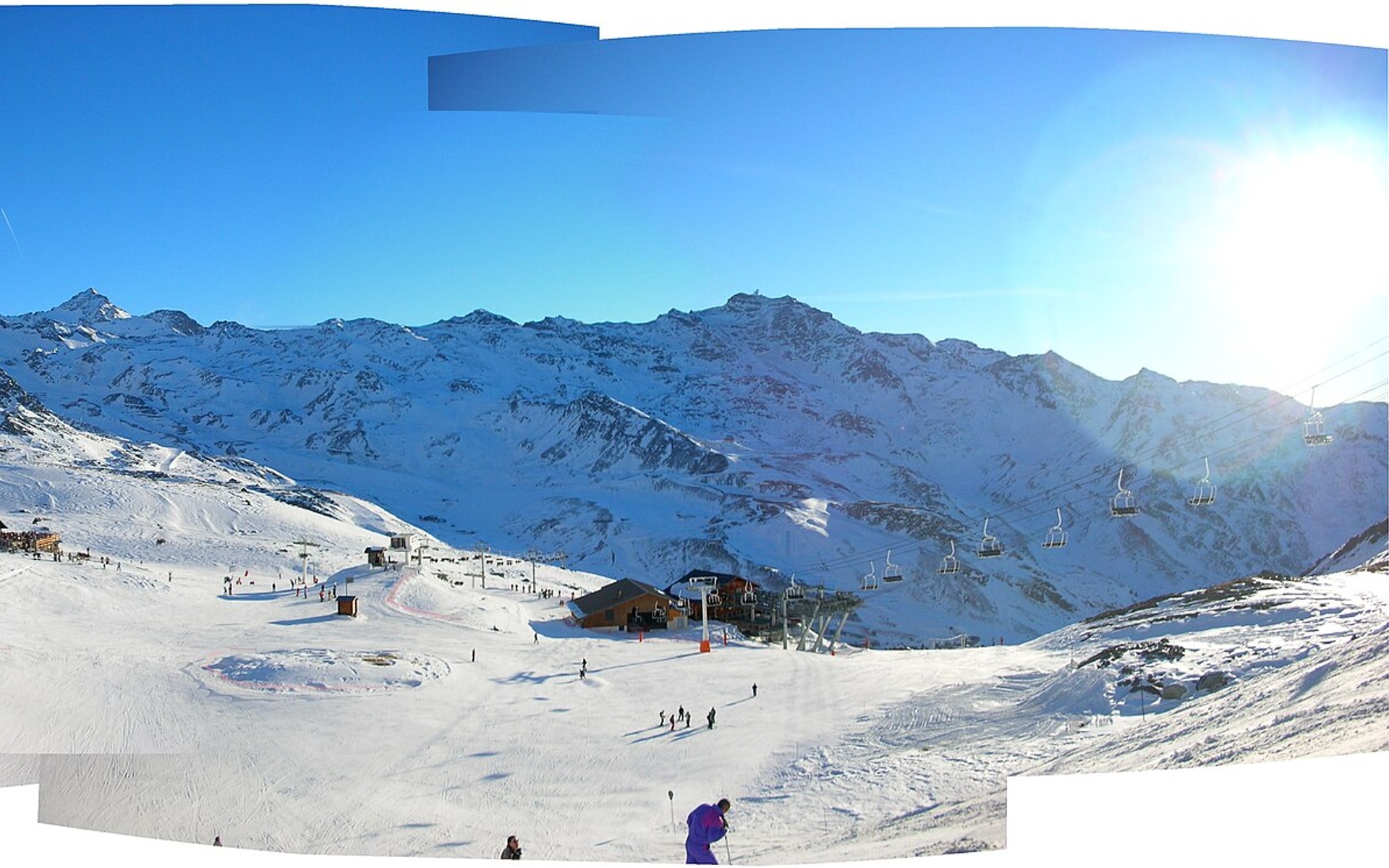
Christmas is the most booked week of the winter, and the riskiest: the snowpack builds in November and December, and a mild December leaves whole resorts closed until New Year. Brochures promise; records measure. Our pages give, for each resort matched to a Météo-France station, the depth on the ground and the share of days at 30 cm or more in the fortnight of 16 to 31 December, over every complete winter in the series. Here is what they say.
Above 2,000 metres: the snow is there
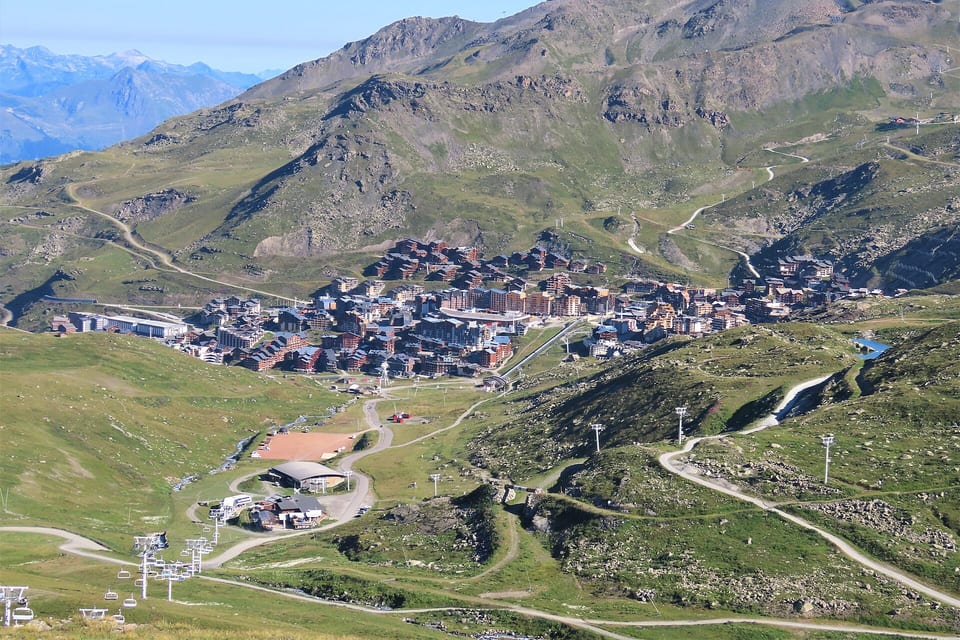
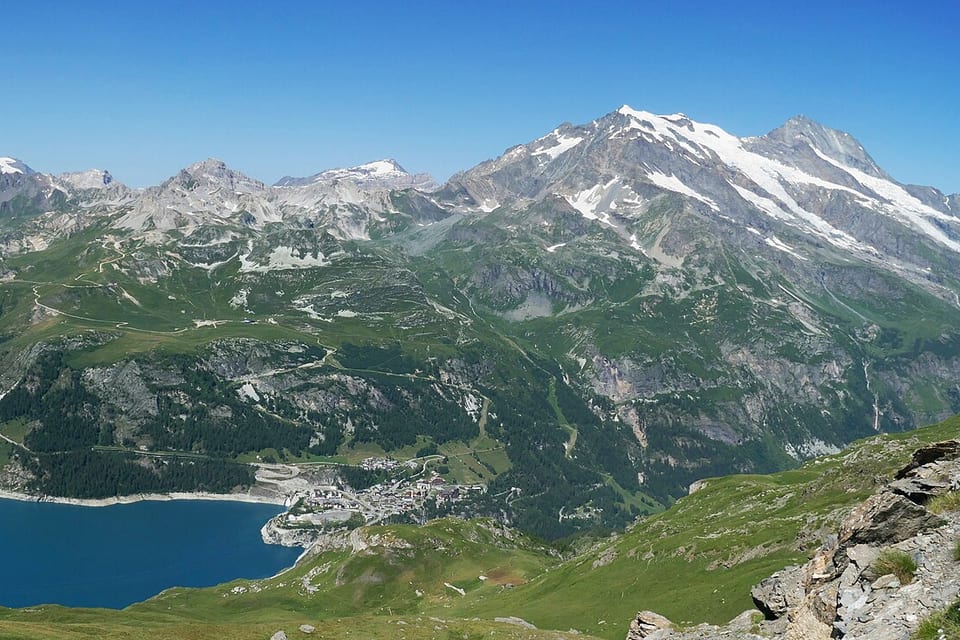
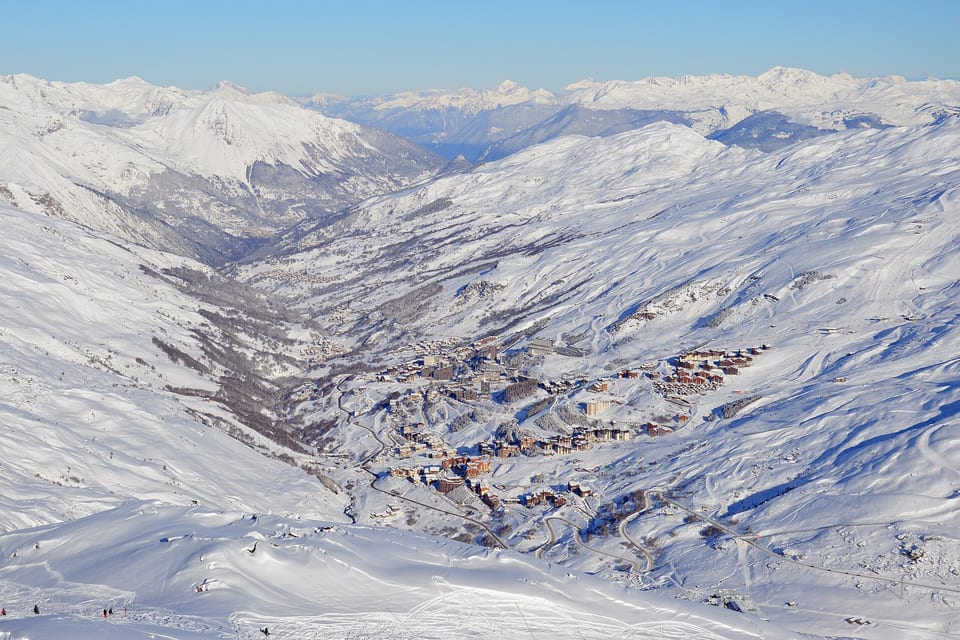
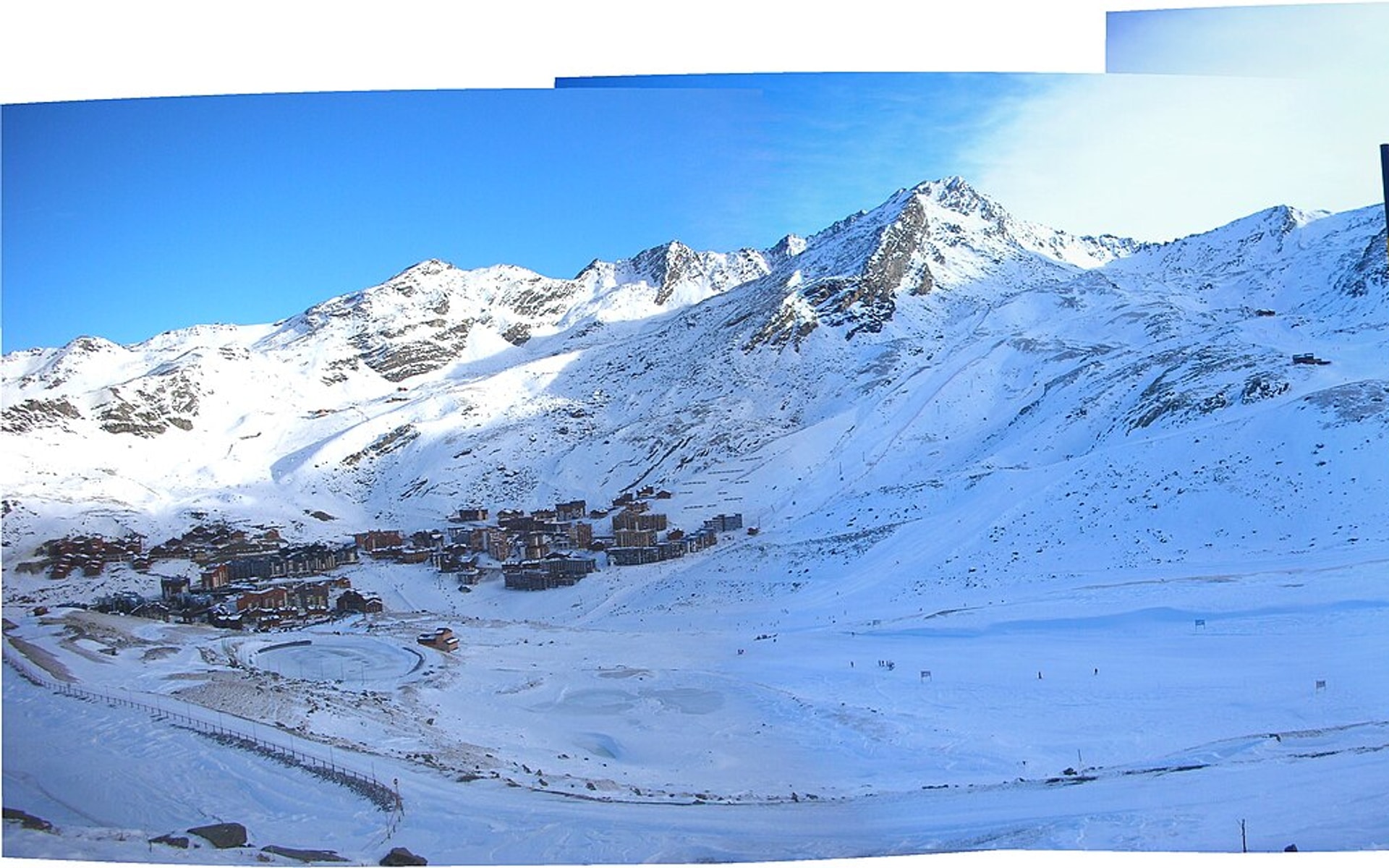
The high stations know no snowless Christmas. The Orelle station, at 2,356 m above Val Thorens, measures on average 79 cm on the ground in the second fortnight of December over seventeen winters — and 63 cm from the first. The La Plagne station, at 1,980 m, 67 cm over forty-one winters. Those at Tignes and the Grande Parei, above La Plagne and Les Contamines, are in the same situation.
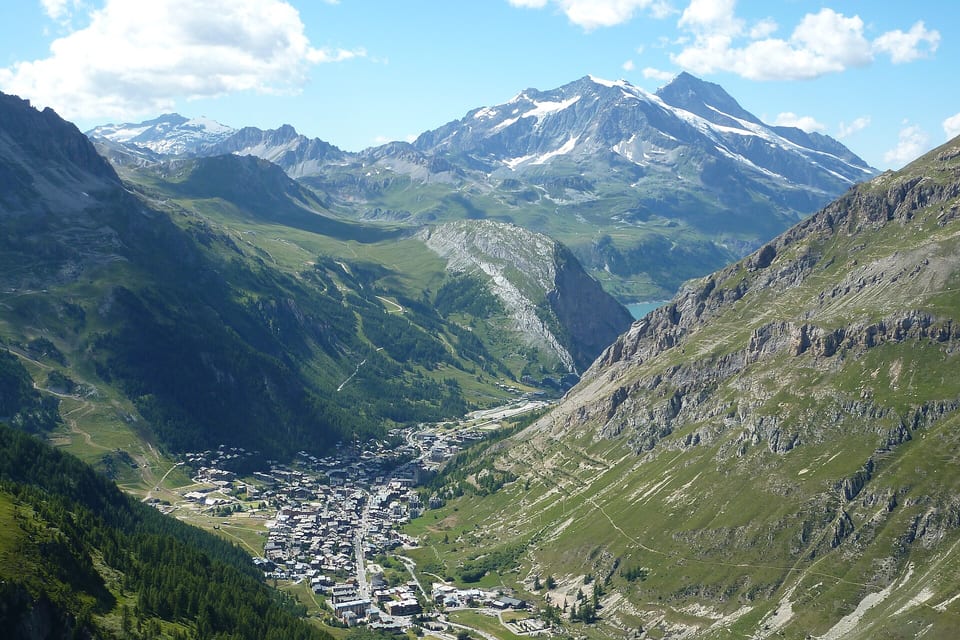
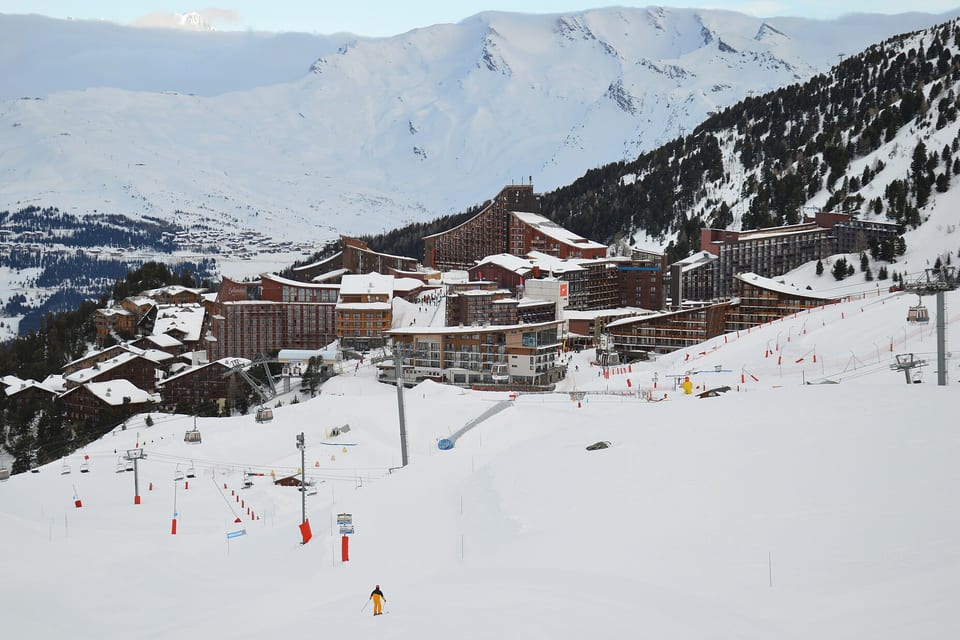
That is the raison d’être of the big high-altitude resorts at Christmas: Val Thorens, Tignes, Val-d’Isère, Arc 2000, La Plagne, the top of Les Menuires, Bonneval-sur-Arc. You pay the dearest pass in France for certainty, and at Christmas it is a sum that adds up.
Between 1,500 and 2,000 metres: it depends on the aspect
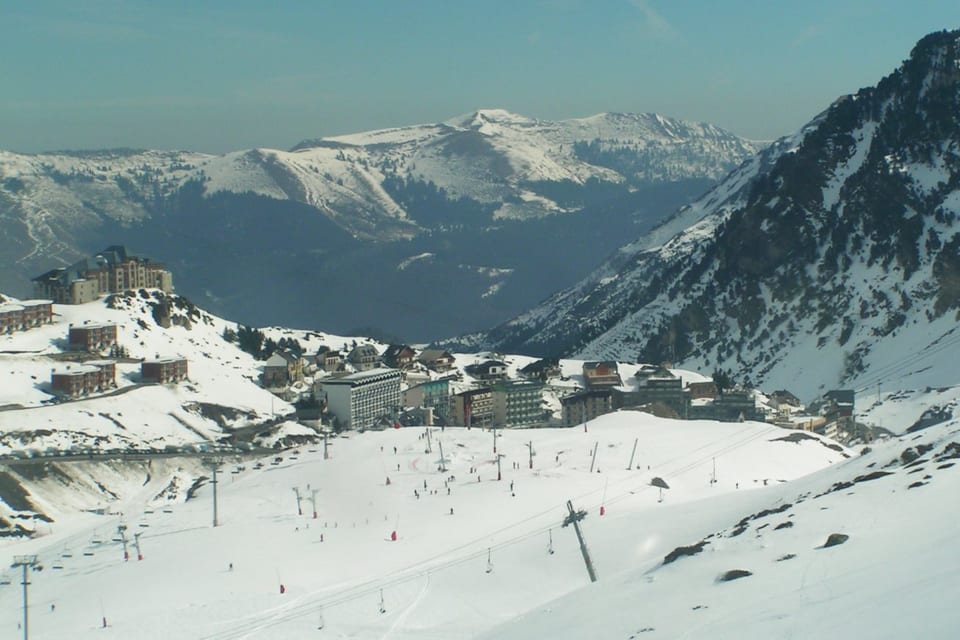
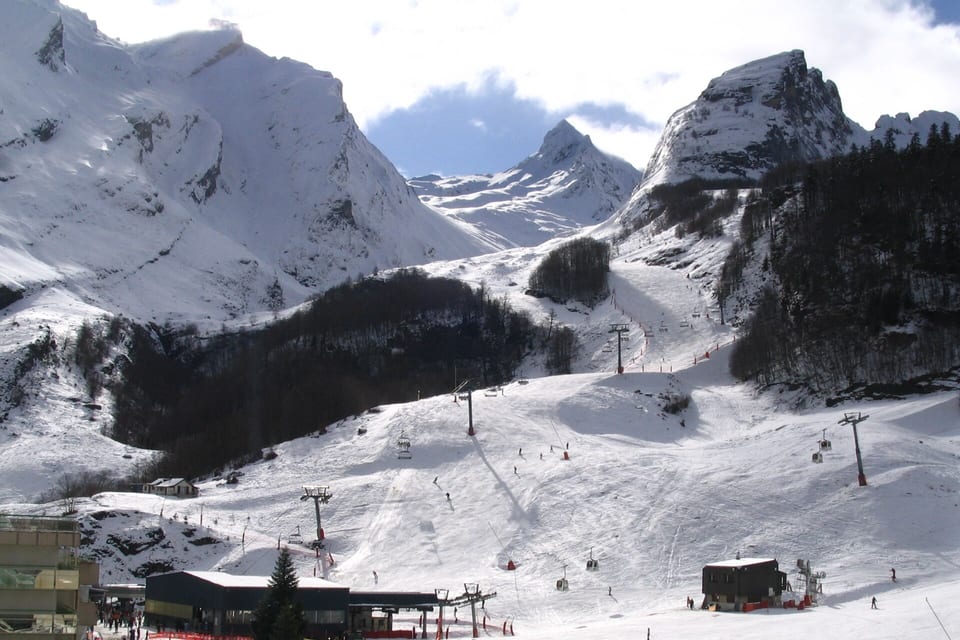
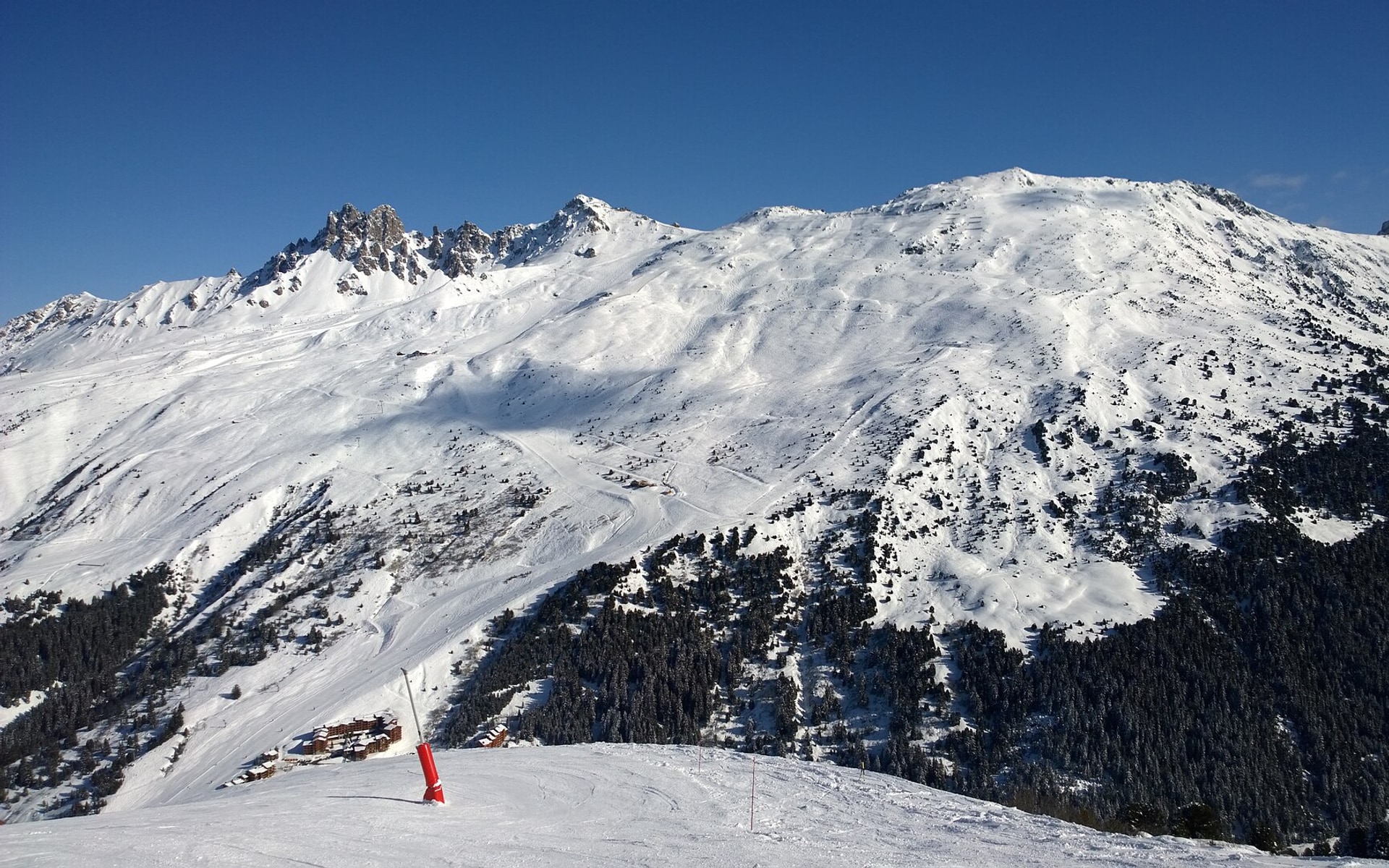
This is the zone where the slope decides. A station at 1,800 m on a north-facing slope — Gourette in the Pyrenees, Combelouvière in the Tarentaise — keeps its Christmas snow most years; the same station facing due south loses it one winter in three. Our measurement of aspect, resort by resort, is what separates the two.
The Pyrenees have a particularity: snow often arrives late there — the big falls at Piau and the Tourmalet are in January and February — and Christmas is less certain than in the Northern Alps at equal altitude, while becoming excellent in March.
Below 1,500 metres: one year in two
The Vosges, the Jura, the Massif Central, the low Pre-Alps: our records give, station by station, the share of winters in which the Christmas fortnight had 30 cm on the ground. It runs from one year in three to one in two depending on the place. That is not disqualifying — a cold December offers empty runs and €20 passes — but it is a bet, and each resort’s page gives the worst winter in its series so you know what you are betting.
Opening dates: what the resorts announce
About thirty resorts have already published their 2026-2027 opening date on their website; the pages reproduce it, with the source. The big high-altitude resorts open between 20 November and early December; mid-sized resorts between 10 and 20 December; many small resorts announce nothing and open when the snow is there. The pages update as resorts publish.
How to choose your Christmas week
Look at three things on the page, in order. The 16-31 December fortnight of measured snow: its average depth and share of days at 30 cm or more. The worst winter in the series: it is the scenario whose risk you must accept. The bottom-of-runs altitude: a resort whose area tops out at 2,500 m but whose village is at 1,100 m will have its high runs open and its return to the village by gondola.
And a rule of experience: at Christmas, altitude buys certainty, and certainty costs. The table below is our guide to resorts with snow at Christmas more than four years in five, computed on the records.