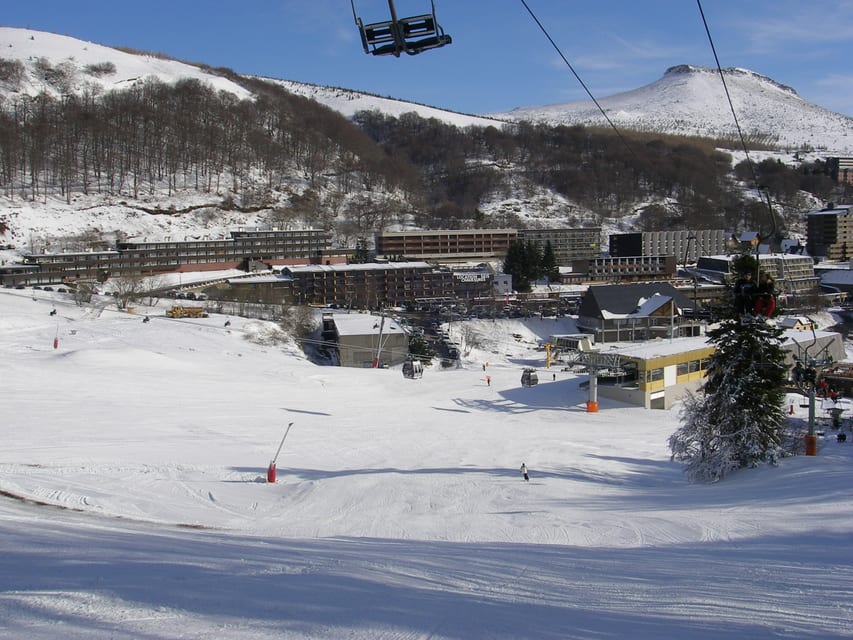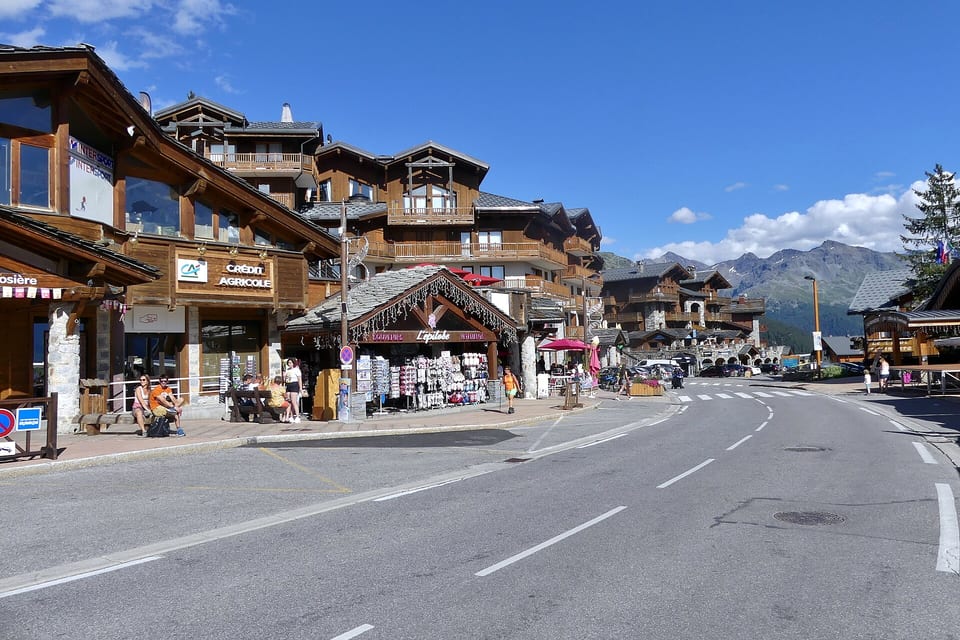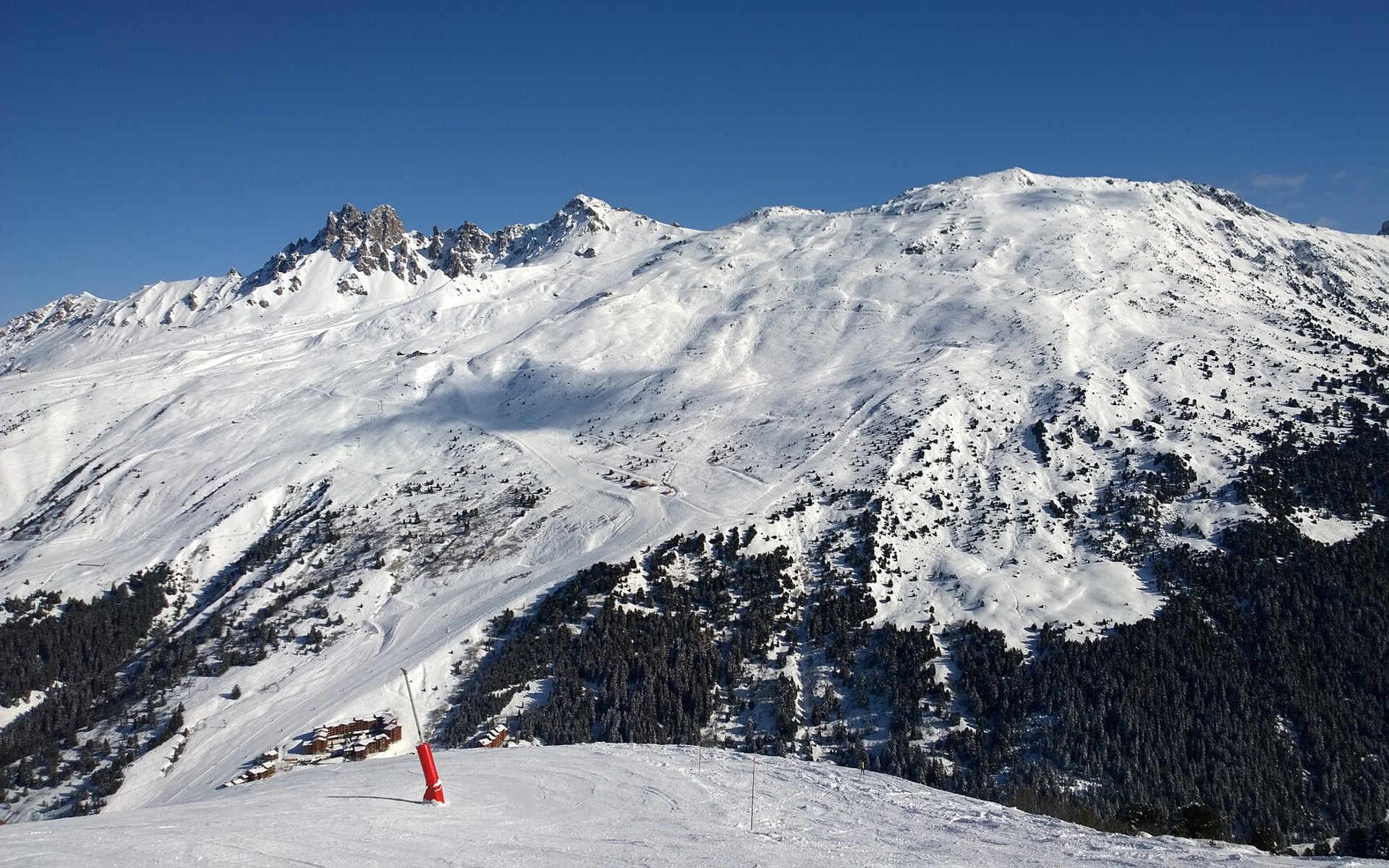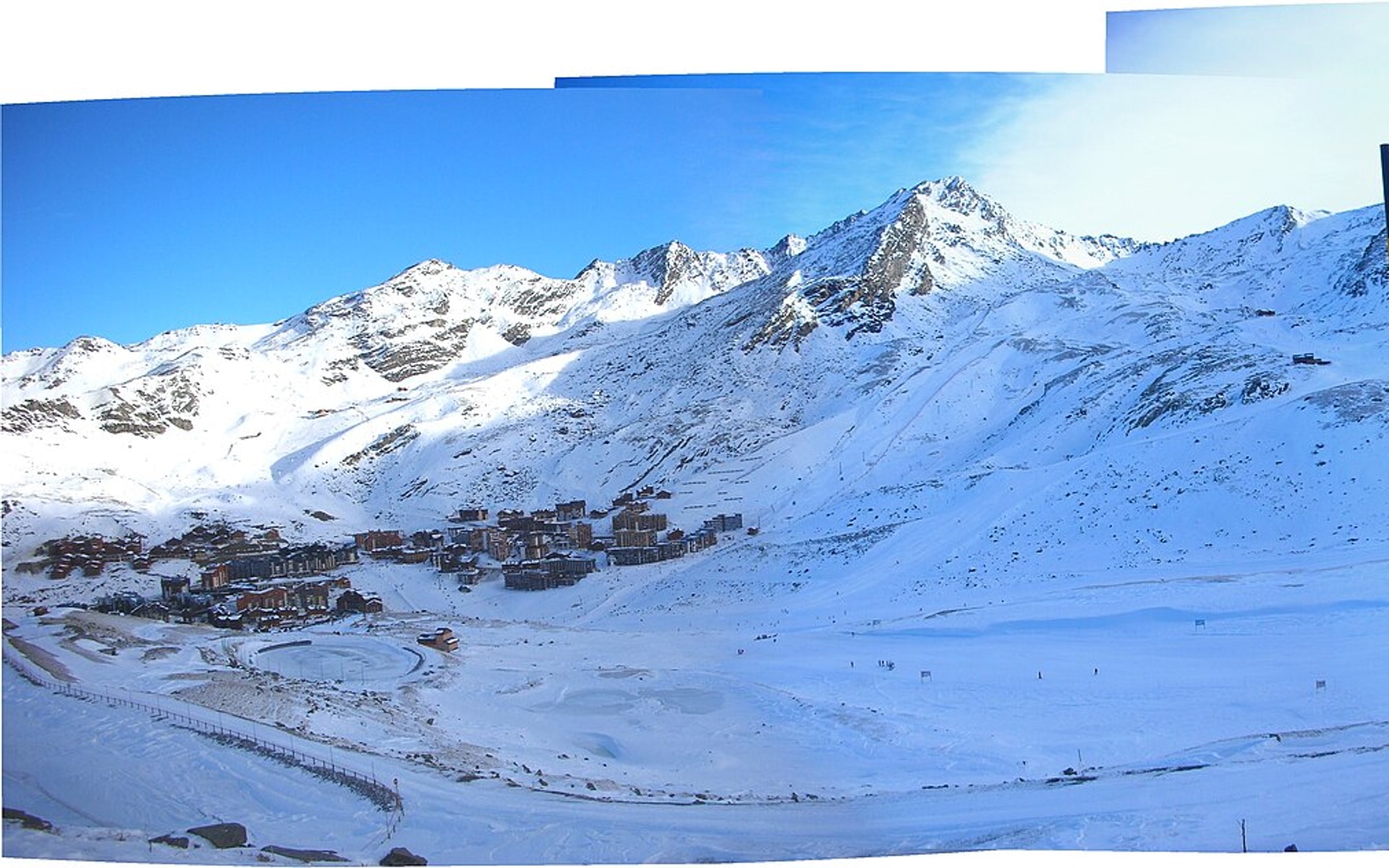
Learning to ski comes down to three things: not being afraid, not being cold, and not going broke. The first two depend on the slope and the altitude, the third on the pass. Our resort pages measure the share of easy runs — green and blue — of each resort, and our beginners’ guide keeps only those where that share is above two thirds and the area has at least fifteen runs. Here is what that filter brings out — and, alongside, a few resorts where learning goes well even if they do not always make the list.
The figure that matters: the share of easy runs
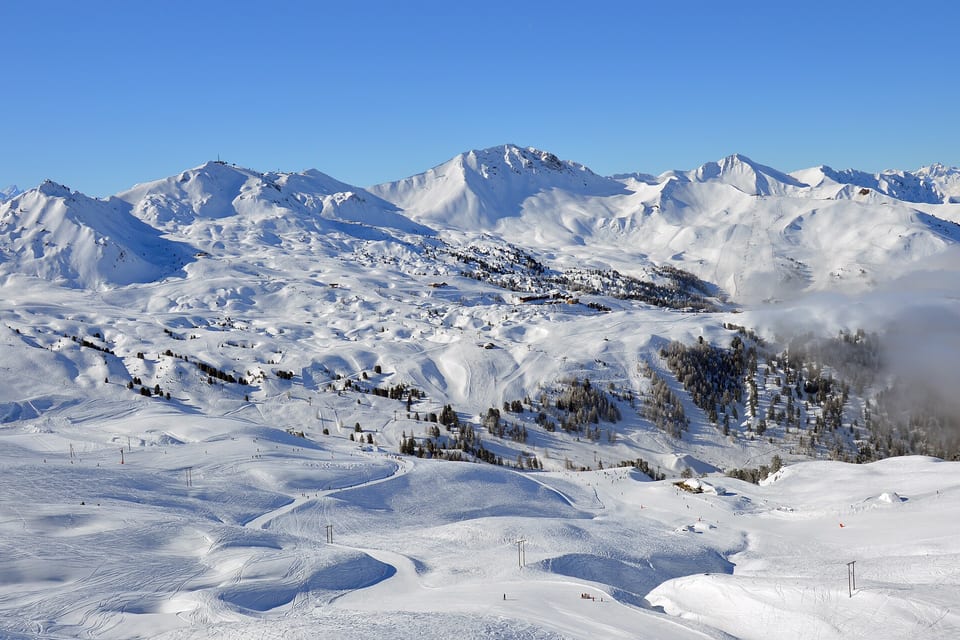
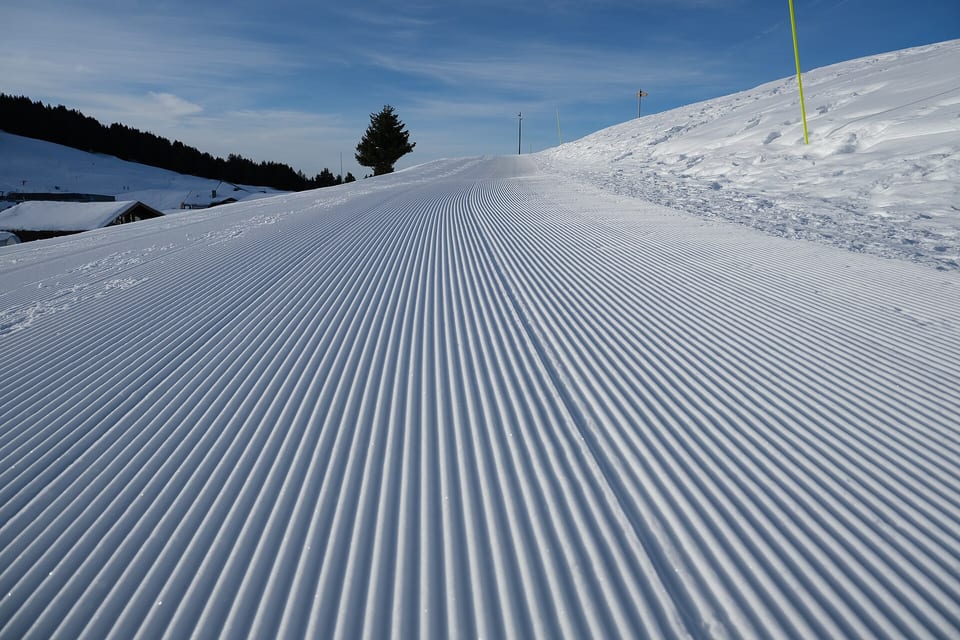
A big 300 km area where 30 % of the runs are green or blue gives the beginner more terrain than a small resort at 80 % easy — in kilometres. But not in comfort: in the big area, the green run is often a link path between two steep sectors, and the beginner shares it with skiers at speed. In the resort made for them, the beginners’ sector is a place apart.
That is why the table below ranks by share of easy runs, not by number. It brings up resorts you would not recommend to a good skier — and that is exactly the point.
The gentle big areas
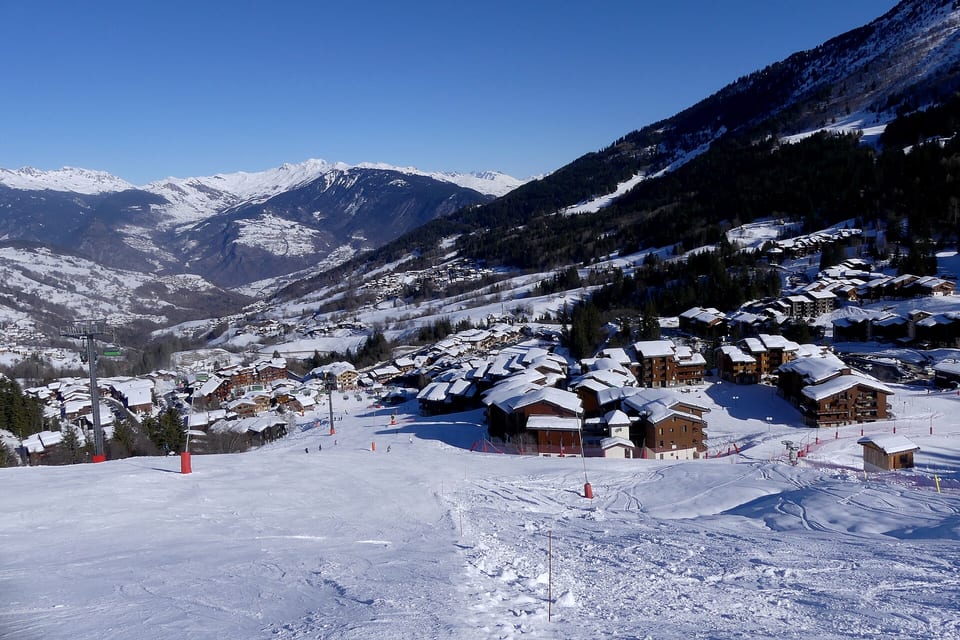
Valmorel is the exception that has it all: a proper area, linked to Saint-François-Longchamp (linked area: 165 km), and a share of green or blue runs you can read on its page — 75% (green runs: 15; runs in total: 57). The pedestrian village was built in the 1970s on the idea that families learn there, and it has stayed true to it. Adult day pass for Valmorel alone: €56.10 (2026-2027 season).
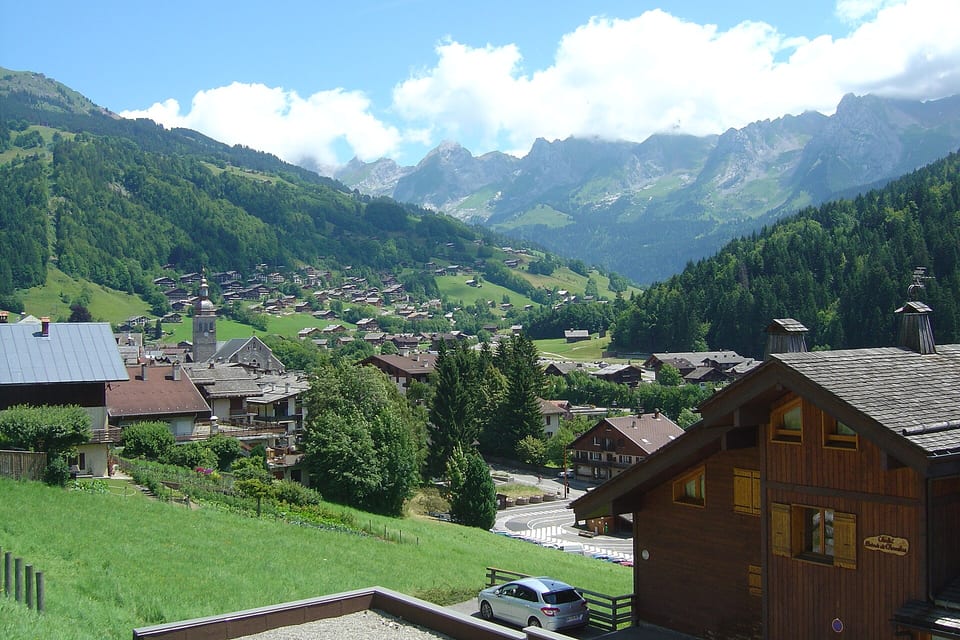
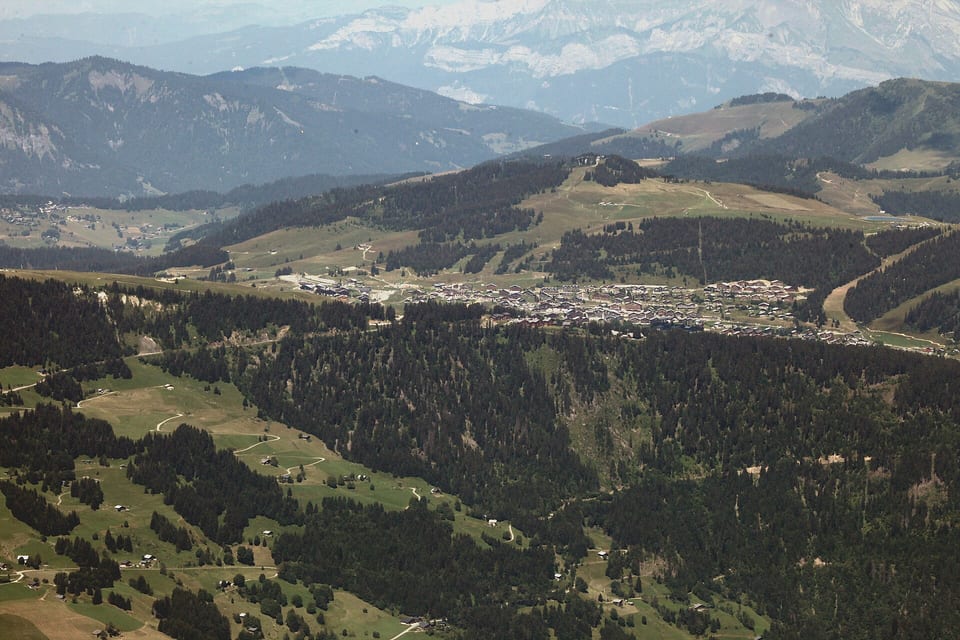
Les Saisies, on the Beaufortain plateau, is the cross-country resort that became a gentle alpine one: wide runs over rounded ridges, nothing steep, and Mont Blanc opposite. Le Grand-Bornand, in the Aravis, gives pride of place to green runs on its Chinaillon area (share of easy runs: n/a).
La Rosière, in the upper Tarentaise, skis largely south-facing on regular slopes: one of the sunniest resorts in the ranking, and one of the gentlest.
The small learning resorts
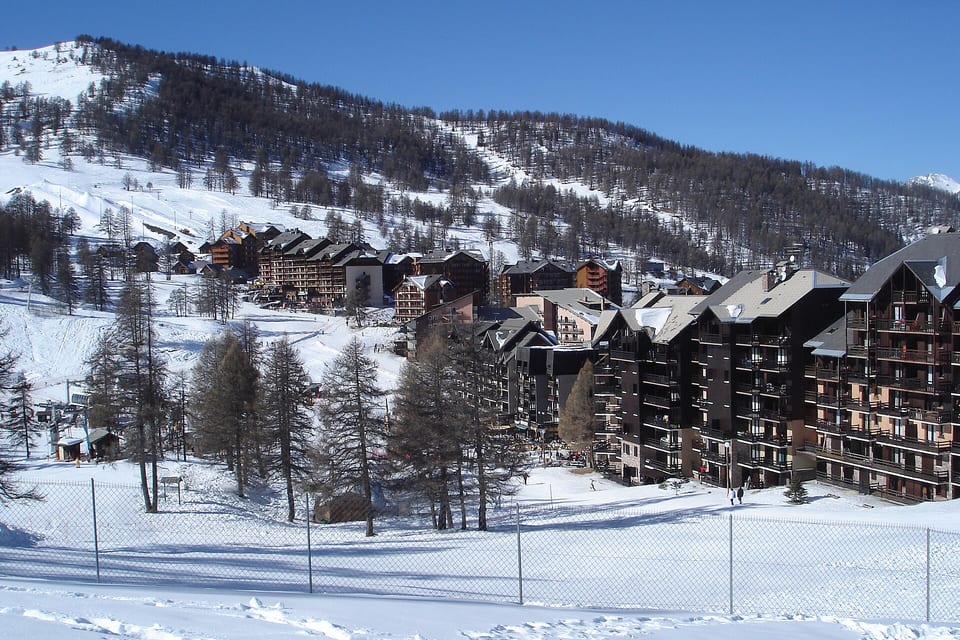
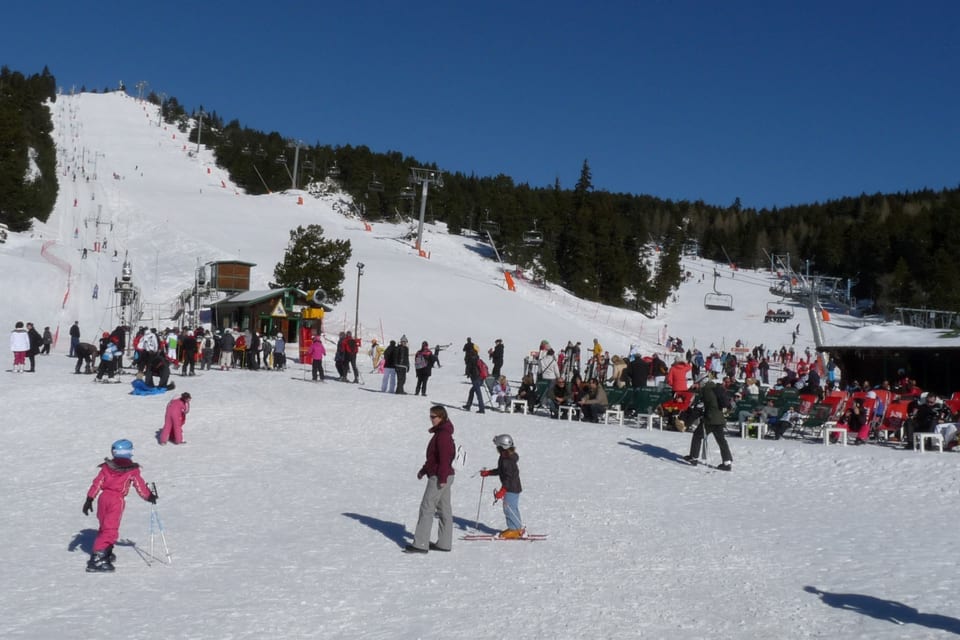
Risoul, in the Hautes-Alpes (share of easy runs: n/a); Bolquère – Pyrénées 2000, on the Cerdagne plateau, with the sun of the Pyrénées-Orientales (share of easy runs: 63%; green runs: 16; runs in total: 41); the Semnoz above Annecy, with its hourly passes; Super-Besse in the Sancy, where learning comes cheap — adult day pass: €43.50 (2026-2027 season); half day: €36.80 (2026-2027 season).
What the ranking does not say, and what to look at
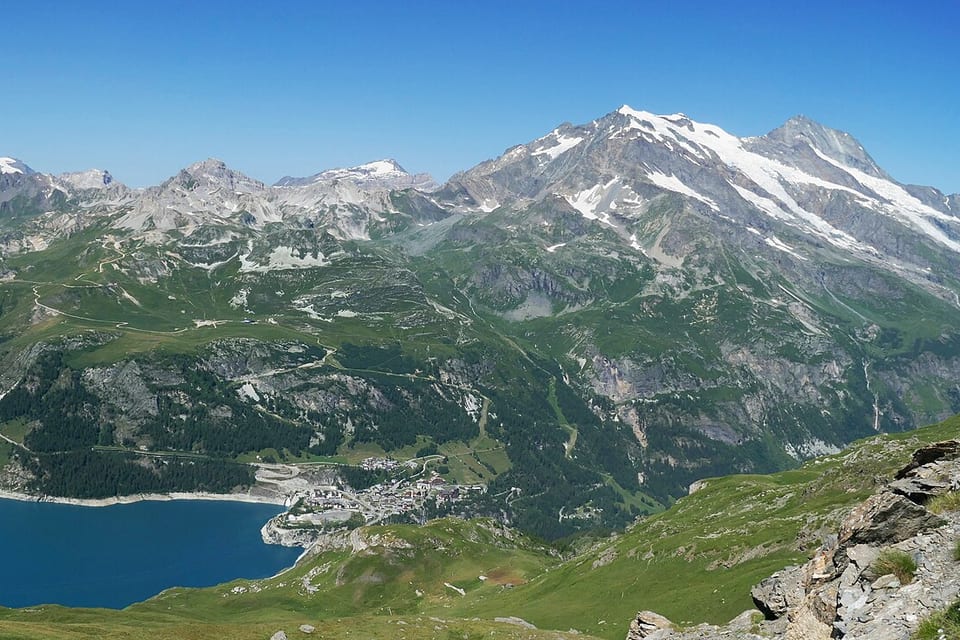
The snow front. A resort can have easy runs up high and a steep return to the village. Tignes le Lac, Les Menuires, La Plagne have flat, wide snow fronts; others require a lift to reach the beginners’ sector.
The beginner pass. Where it exists, it halves the cost. Our pages show it when the list publishes it.
The ski school. Each resort page gives the number of instructors at the local ESF and its services — group lessons, kindergarten, lessons in English. A school with fifty instructors has slots; a school with five, not always during the holidays.
Altitude and snow. A beginner falls, and falls better on snow than on ice. Low resorts late in the season are not the right choice for a first week — our Météo-France records, resort by resort, say where the snow lies.